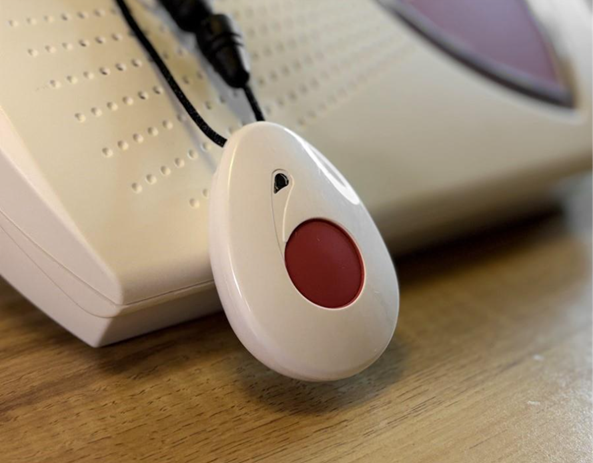
Safety and independence are the major concerns of senior people with age, especially when they face unexpected medical problems. A medical alert system is quite important since it provides immediate access to help, so that the seniors can receive aid without delay. It acts as a solid support system that assists in reducing the time lag between a sudden crisis and early intervention.
Nonetheless, not every system provides the same performance or reliability. Factors such as consistency, ease of use, and overall functionality define the performance of a system at the most demanding time. Thus, choosing the right option involves a proper understanding of what actually makes a system efficient under real-life situations.
The following article discusses the key attributes that define a reliable medical alert system in the emergency care of elderly patients.
1. Constant Surveillance and Fast Emergency Response

In addition, the presence of trained professionals to handle these alerts contributes to efficiency. They are taught to evaluate every circumstance without panicking and make the most suitable decision. Consequently, the elderly get what they deserve and at the right time when it is most needed.
2. Accuracy of Fall Detection and Alert Triggers
A good medical alert system must be capable of detecting when help is actually needed. Fall detection is one of the main features, and the possibility to identify real emergencies defines its practicality. It should be able to detect serious events without providing false alarms because of the daily movements.
Furthermore, accurate alert triggers assist in building confidence in the system. When the seniors get prompt and regular responses, they feel more comfortable with the device. On the other hand, frequent instances of false alarms can lead to frustration and reduced usage over time.
Moreover, new systems offer advanced sensors and intelligent processing to improve detection quality. These technologies look at patterns of movement with a lot of care to ensure that help is provided only where needed. This precision improves the overall system reliability.
3. Device Reliability Including Battery Life and Connectivity
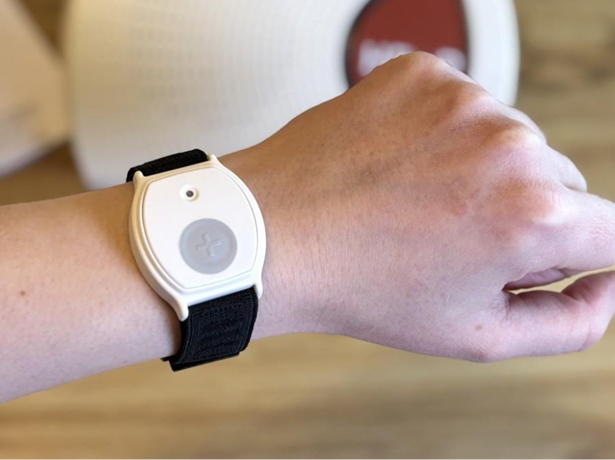
Correspondingly, high connectivity is necessary to send alerts without interruption. Regardless of whether the system is based on cellular networks or other means of communication, a stable connection must be maintained at any given moment. Any delay in the transmission of the signal can influence the speed of receiving help.
Moreover, long-term trust is established through the stability of device performance. When the seniors can be assured that their device will work properly every day, they are more likely to rely on it. This assurance improves the general functionality of the system in real-life situations.
4. Ease Of Use and Accessibility for Seniors
Another key determinant of the effectiveness of a medical alert system is the ease of use. A complex machine may cause confusion, particularly when there is a need to take immediate action in an emergency. Thus, the minimal features and straightforward design allow seniors to use the system without hesitation.
Meanwhile, accessibility also makes sure that the device is reachable at any time. Comfortable and lightweight designs of wearables promote frequent use during the day. Such uniformity enhances the possibility of providing aid in time.
Additionally, a user-friendly interface enables them to make fast decisions without having to question themselves. A system that is simple to comprehend minimizes pressure in emergency cases. Consequently, the elderly are able to seek assistance without delay.
5. Access To Caregiver Alerts and Support Network Features

Moreover, these characteristics offer confidence in daily living. The elderly are more assured because they know that their loved ones will be contacted in case of any misfortune. Meanwhile, the families are at ease without having to check in all the time.
Moreover, coordinated communication enhances the management of situations. With informed caregivers and response teams, help can be organized more effectively. This cooperative method reinforces the overall reliability of the system.
Bottomline
As people age, it is more important to protect them in case of adversity. A medical alert system acts like a trustworthy companion that enables seniors to get help in an instant without needing to depend on those around them. It provides a level of independence while minimizing the risks of delayed help.
But not all systems offer the same level of trust and performance. Reliability depends on whether the system works when there’s a real emergency and how consistently it serves the user. Recognizing these elements helps identify a solution that truly qualifies as senior emergency care.