Testing workflows should accelerate delivery instead of locking it down. When teams spend more time fixing tests than shipping features, the cycle time suffers significantly. Addressing this bottleneck to shipping quality code is foundational for any modern engineering organization.
Understanding the cost of constant maintenance
Every hour spent chasing false positives is an hour stolen from actual development. Maintenance overhead accumulates over time and creates a compounding debt that slows down the entire pipeline.
How flaky tests undermine team confidence
When developers stop trusting their test suite, they begin ignoring failures altogether. This creates a dangerous precedent where actual regressions get lumped in with the usual noise of intermittent test failures.
The hidden toll on developer productivity and morale
Constant frustration with unreliable systems leads to burnout and a culture of apathy toward test quality. Engineers want to rely on their tools, not battle them daily.
Common structural reasons for test fragility

Structural flaws often hide in plain sight within the test architecture. These issues stem from how tests interact with the evolving state of the application. Addressing these root causes requires moving away from tight coupling and moving toward modular, independent verification strategies.
Hard-coded assumptions in integration tests
Tests often break because they rely on specific data states that change between deployments. When test suites presume a static environment, they inevitably fail when dynamic data models shift.
Hidden dependencies across microservices
Interconnected services mean a failure in one component ripples through the entire dependency chain. Without clear boundaries, it becomes difficult to isolate whether a test failed due to the code under test or an upstream service issue.
Lack of proper data isolation and cleanup strategies
Accumulated state from previous runs frequently corrupts subsequent test executions. Managing test data effectively is essential for ensuring that every run starts from a clean, predictable slate.
| Issue Type | Risk Level | Mitigation Strategy | |
| Data Pollution | High | Ephemeral database snapshots | |
| Service Coupling | Medium | Mocking external APIs | |
| Hard-coded IDs | Critical | Dynamic discovery services |
These strategies ensure that test environments remain as stable as possible, allowing for more consistent results across different pipeline triggers.
Over-reliance on UI-based testing
Why UI tests are inherently more volatile
UI elements are highly susceptible to sudden changes in CSS classes, DOM structures, or animation timings. Because these layers exist solely to facilitate user interaction, they undergo frequent updates that break brittle selectors.
Balancing end-to-end coverage with unit testing
Relying too heavily on end-to-end tests for every scenario creates a top-heavy testing pyramid. A healthier approach distributes the testing load downward toward unit and integration tests, which are inherently more stable.
Identifying where modular testing can replace UI automation
Teams should identify business logic that can be verified through API contracts rather than browser-based interactions. This transition reduces dependency on the volatile DOM and speeds up feedback loops significantly.
- Audit existing test suites to identify high-maintenance UI paths.
- Implement API-level validation for core business workflows.
- Shift visual checks toward specialized visual regression tools.
- Keep browser tests limited to critical user-centric journeys.
By narrowing the scope of browser-based automation, the system becomes more maintainable and less likely to fail due to minor design updates.
How Shiplight transforms your testing strategy
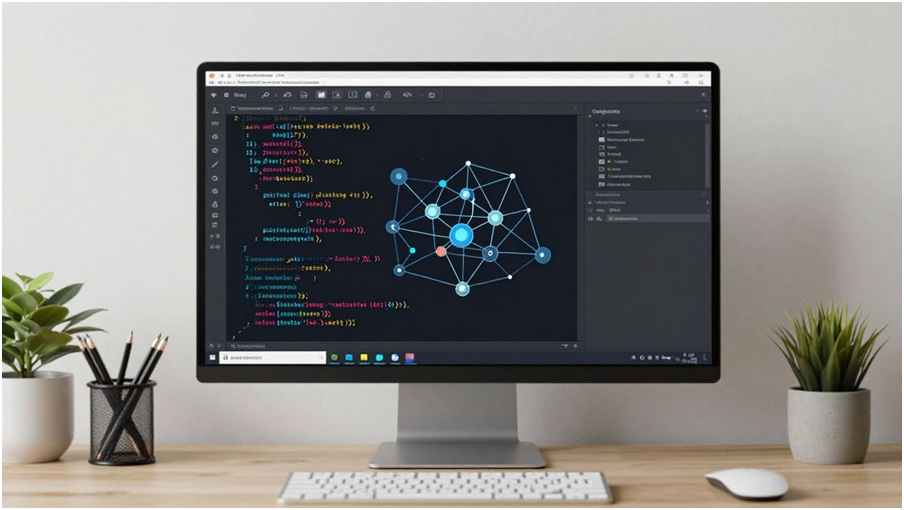
Modern testing requires tools that adapt as quickly as the codebase evolves. By integrating advanced verification into the development process, teams can catch errors in real-time. This shift creates a more resilient foundation, moving beyond manual maintenance requirements.
Leveraging Shiplight to stabilize agentic workflows
Shiplight integrates directly into coding agents, verifying changes inside a real browser as development happens. This immediate feedback loop ensures that regressions are caught long before they reach the main branch.
Automating test adaptation for AI agents
Because tests should not be manual burdens, Shiplight allows for autonomous adjustments to test scripts. This means that when interface elements change, the system updates the verification automatically without developer intervention.
Integrating Shiplight into existing CI/CD pipelines to prevent regressions
Adding Shiplight to standard workflows allows for seamless coverage growth. As features reach completion, the verification checks are automatically promoted to durable regression tests, ensuring nothing gets missed.
Addressing configuration drift and environment issues
Ensuring consistency between local and production environments
Discrepancies between environmental configurations often mask bugs that only surface once code is deployed. Bridging this gap requires strict infrastructure-as-code practices that apply identical configurations across all pipeline stages.
Managing ephemeral infrastructure in testing
Using short-lived environments ensures that tests are not running on stale servers. This practice eliminates the “it worked on my machine” syndrome by providing isolated, fresh backends for every test run.
Troubleshooting intermittent failures caused by deployment timing
Race conditions and asynchronous tasks often produce non-deterministic results. Implementing retry logic and better observability tools helps pinpoint exactly where timing issues disrupt test stability.
Best practices for long-term test resilience
Decoupling test suites from implementation details
Tests should focus on verified user outcomes rather than internal structural choices. When the test suite cares more about the result than the code method, it remains valid even when internal implementations are refactored.
Implementing early detection systems for flaky behavior
Detecting flakiness before it impacts the team is vital. Automated tracking that identifies recurring fails allows for immediate investigation before those tests skew the entire success rate of the deployment.
Fostering a culture of test-driven ownership among engineers
Ownership matters more than any tool. When team members feel responsible for the durability of their tests, they design for resilience naturally rather than viewing testing as an afterthought.
Conclusion
Building a stable testing ecosystem is an ongoing endeavor that prioritizes resilience over sheer volume. By streamlining processes, utilizing intelligent tools like Shiplight, and fostering a culture of test ownership, engineering teams can navigate the complexities of modern deployments with significantly greater confidence and speed.