Aesthetic medicine is at an inflexion point. The Instagram face – overfilled lips, impossibly smooth skin, exaggerated features – that dominated the 2010s is giving way to something more subtle. The question is whether this shift represents genuine evolution toward healthier attitudes or just the next trend cycle.
The answer matters because how we approach aesthetic procedures reflects deeper questions about self-confidence, authenticity, and what we’re actually trying to achieve when we modify our appearance.
The Subtlety Shift
Aesthetic practitioners report changing client requests. Fewer people want dramatic transformations. More want to look refreshed, rested, or like slightly better versions of themselves rather than fundamentally different people.
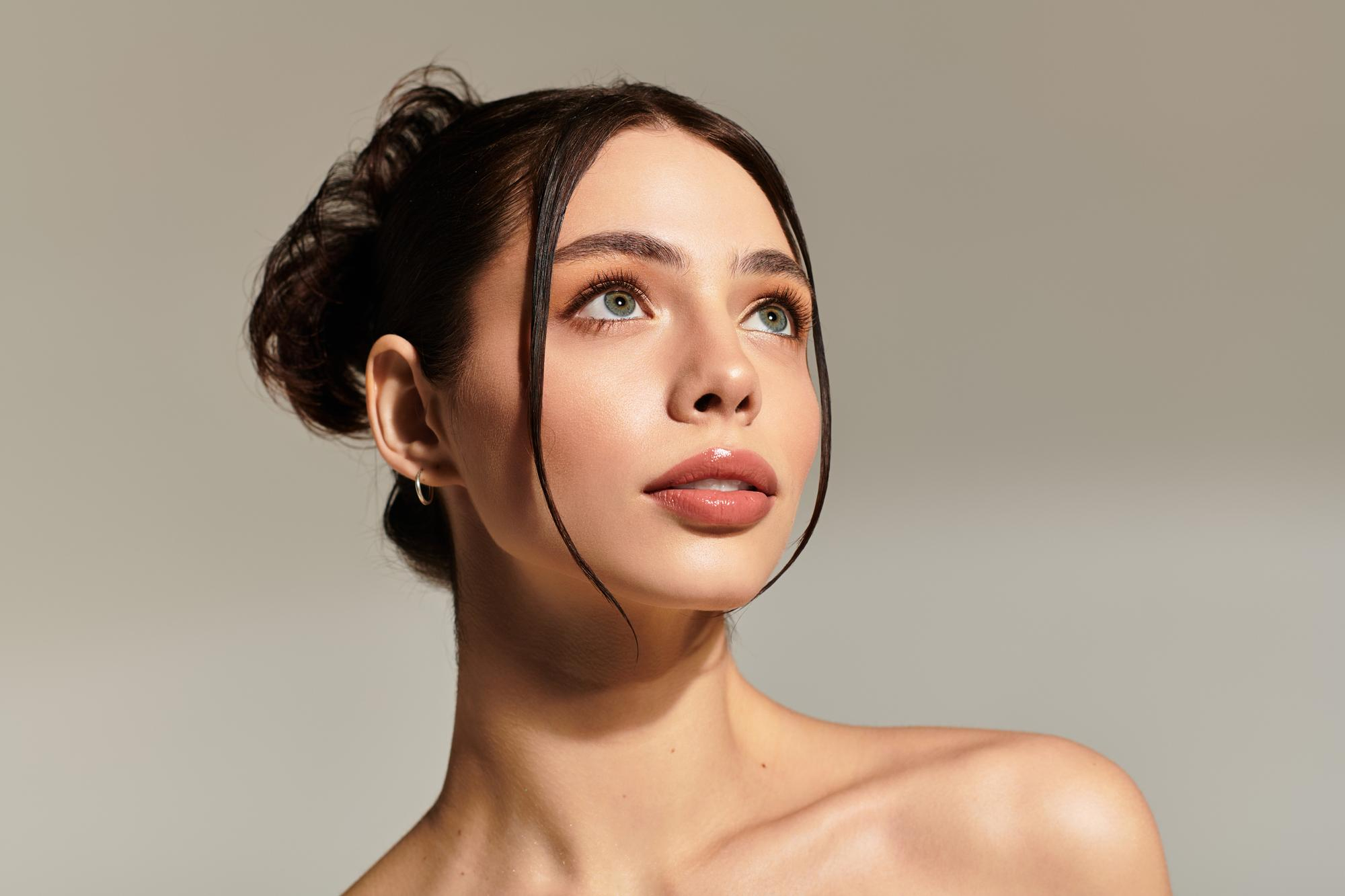
This shift shows in the popularity of procedures like blepharoplasty – eyelid surgery that addresses drooping or puffiness whilst maintaining a natural appearance. The goal isn’t to create dramatically different eyes; it’s to remove a tired appearance or restore more youthful contours without obvious intervention.
This preference for subtlety extends across aesthetic medicine. Fillers are being dissolved or used more conservatively. Botox applications aim to soften lines rather than freeze the forehead. Surgical procedures prioritise natural results over obvious enhancement.
Whether this represents healthier attitudes or simply aesthetic preferences cycling from maximalist to minimalist remains debatable. But the conversation has definitely shifted from “can you tell I’ve had work done?” being the worst outcome to being the goal.
Preventative Over Corrective
The aesthetic industry is increasingly targeting younger demographics with preventative treatments. The pitch is that addressing signs of ageing early, with minimal intervention, prevents the need for dramatic correction later.
This creates tension. On the one hand, early intervention with conservative treatments might genuinely prevent the need for more extensive procedures later. On the other hand, it normalises cosmetic intervention for people in their twenties who show no objective signs of ageing.
The self-confidence implications are significant. Does starting Botox at 25 reflect taking control of your appearance, or does it signal that natural ageing has become so unacceptable that prevention starts before anything needs preventing?
Authenticity Paradox
Social media increasingly values authenticity, with influencers sharing unfiltered photos and openly discussing their procedures. Yet this transparency exists alongside normalisation of modification – authenticity now includes being honest about your enhancements rather than questioning whether you need them.
Someone documenting their blepharoplasty journey with before-and-after photos presents as authentic. But the underlying assumption – that drooping eyelids require correction – goes unquestioned. Transparency about procedures doesn’t necessarily correlate with interrogating why we pursue them.
Technology Enabling Precision
Advances in aesthetic technology enable increasingly precise, customised interventions. 3D imaging shows predicted outcomes before procedures. AI analyses facial structure to recommend optimal treatments. Techniques become less invasive with faster recovery.
This technological sophistication could support either healthier or unhealthier relationships with aesthetic modification. Precise, conservative treatments that genuinely address specific concerns whilst maintaining a natural appearance could appropriately boost confidence. Or technology could simply make it easier to pursue endless optimisation toward unattainable standards.
The Male Market
Aesthetic procedures among men are growing rapidly, shedding stigma that previously limited the market. Men are pursuing everything from Botox to blepharoplasty, often motivated by professional competitiveness or concerns about the dating market.
This normalisation for men reflects either a welcome reduction of gendered double standards or a concerning expansion of appearance pressure previously concentrated on women. Likely both simultaneously.
Mental Health Considerations
Ethical practitioners increasingly screen for body dysmorphia and unrealistic expectations before accepting clients. The recognition that aesthetic procedures can’t fix underlying self-esteem issues represents important progress.
But the line between appropriate interventions that genuinely improve confidence and medicalising normal variations in appearance remains contested. When does addressing a legitimate concern become enabling unhealthy preoccupation?
The Confidence Question
The fundamental question about aesthetic trends and self-confidence is whether procedures genuinely build confidence or whether the confidence would be better built through accepting natural variation.
For some people, addressing specific appearance concerns that genuinely bother them provides real psychological benefit. Someone who’s been self-conscious about hooded eyelids for decades might experience a legitimate improvement in confidence from blepharoplasty. The procedure removes a source of genuine distress.
For others, pursuing aesthetic modification reflects internalised appearance standards that might be better addressed through therapy than surgery. The confidence boost proves to be temporary because the underlying issue isn’t physical appearance but the relationship with it.
The challenge is that these situations aren’t always clearly distinguishable, and what constitutes “genuine concern” versus “internalised standards” varies from person to person.
Social Media’s Continued Influence
Despite authenticity trends, social media continues driving appearance standards. The difference is that filters and obvious editing are declining, whilst subtle enhancements and professional lighting create equally unrealistic standards.
Seeing endless images of people who’ve had conservative aesthetic work creates a new normal where natural ageing seems abnormal. You’re not competing with filters anymore – you’re competing with real people who’ve had real procedures, which somehow feels more achievable whilst being equally problematic.
Looking Forward
The future of aesthetic trends likely involves continued technological advancement, enabling increasingly sophisticated, personalised interventions. Procedures will become less invasive, more precise, and more accessible.
Whether this technological capability fosters healthy self-confidence or undermines it depends on how we culturally frame aesthetic medicine. If it remains focused on correcting legitimate concerns whilst accepting normal variation, it could genuinely enhance wellbeing. If it becomes endless optimisation toward algorithmically-generated beauty standards, it risks medicalising normal appearance and making confidence contingent on perpetual modification.
The shift toward subtlety and naturalness in current trends suggests potential for a healthier direction. But aesthetic preferences are cyclical, and the wellness-industrial complex has strong incentives to expand markets rather than promote acceptance.