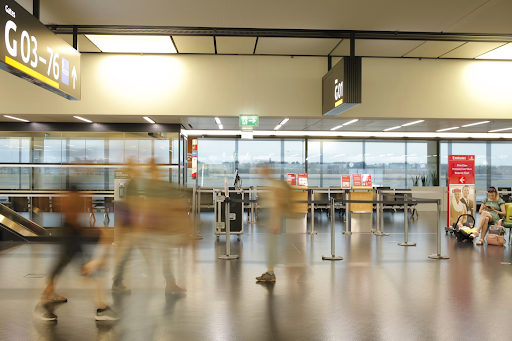
Travel delays are just one of those things, aren’t they? They can turn a perfectly planned trip into a frustrating waiting game. Whether you’re stuck at the airport, a train station, or a ferry port, that feeling of being in limbo can quickly put a damper on your adventure. But here’s the good news: an unexpected delay doesn’t have to ruin everything. With a few smart tricks up your sleeve and a little bit of preparation, you can handle these bumps in the road calmly and maybe even turn the situation to your advantage. This guide will walk you through some practical ways to manage delays, from staying in the loop to making the most of your sudden free time.
Common Causes of Travel Delays
Knowing why you’re delayed can really help manage your expectations and figure out your next move. While you can’t control the situation, understanding the root cause gives you a clearer picture of whether you’re dealing with a tiny blip or a major disruption. Most of the time, the biggest culprits are completely out of anyone’s hands.
Weather is a huge one, with storms, fog, or strong winds often grounding flights and stopping trains. Air traffic control getting jammed up is another common issue, especially at big airports during busy times. When the system gets overloaded, it can cause a ripple effect of delays across the whole network. Then there are technical problems with an aircraft or train, which can lead to long waits because safety checks and repairs are essential. And finally, you have operational hiccups, like crew scheduling mix-ups or staff arriving late, which can throw a wrench in the works. Finding out the exact reason might not speed things up, but knowing the general reasons for flight delays can help you guess how long you might be waiting and decide what to do next.
Staying Calm and Informed
The moment a delay is announced, it’s totally normal to feel a rush of frustration and worry. Your first and most important job is to get a handle on those feelings. Panicking won’t change anything, but staying cool will help you think clearly and make better decisions. Just take a few deep breaths to calm yourself down before you do anything else. This simple step can help you stay calm during air travel when things go wrong and stop stress from taking over.
Once you’re feeling a bit calmer, focus on getting accurate information. Don’t just listen to rumours from other passengers. Instead, go straight to the source.
- Check Official Apps: Most airlines and train operators have apps that give you the latest info on delays, cancellations, and rebooking options.
- Look at Departure Boards: Keep an eye on the official screens in the terminal for real-time updates.
- Visit the Website: These are usually updated at the same time as the apps and departure boards.
- Talk to Staff: Approach the customer service desk calmly and politely. Staff are much more likely to help you if you’re patient and respectful, even when you’re feeling annoyed.
Having the right information puts you in charge of making a plan. Knowing if your delay is 30 minutes or three hours makes a huge difference in how you choose to spend your time. By taking these steps to stay calm and prepared, you can switch from feeling frustrated and helpless to actively solving the problem.
Making the Most of Your Wait
A long delay can feel like a total waste of time, but it can also be a surprising opportunity. Instead of just sitting uncomfortably and staring at the departure board, you can think of this wait as bonus time to do something useful or fun, maybe even by checking out left luggage at Paddington. If the delay is short, this might mean finding a quiet spot to catch up on emails, read a book, or listen to that podcast you’ve been saving.
If you’re looking at a delay of several hours, you have even more options. Why stay cooped up in a busy terminal? A long delay is the perfect excuse for a mini-adventure, especially if you’re stuck in a city with cool stuff nearby. The biggest hurdle is usually your luggage. Dragging your bags around a city is just not practical or fun. This is where modern travel solutions come in handy. You could grab a proper meal at a local restaurant, visit a nearby museum, or simply enjoy a walk in a park. Free from your baggage, you can turn a frustrating delay into a memorable part of your trip. This proactive approach changes you from a stranded passenger into a spontaneous explorer.
Securing Your Valuables
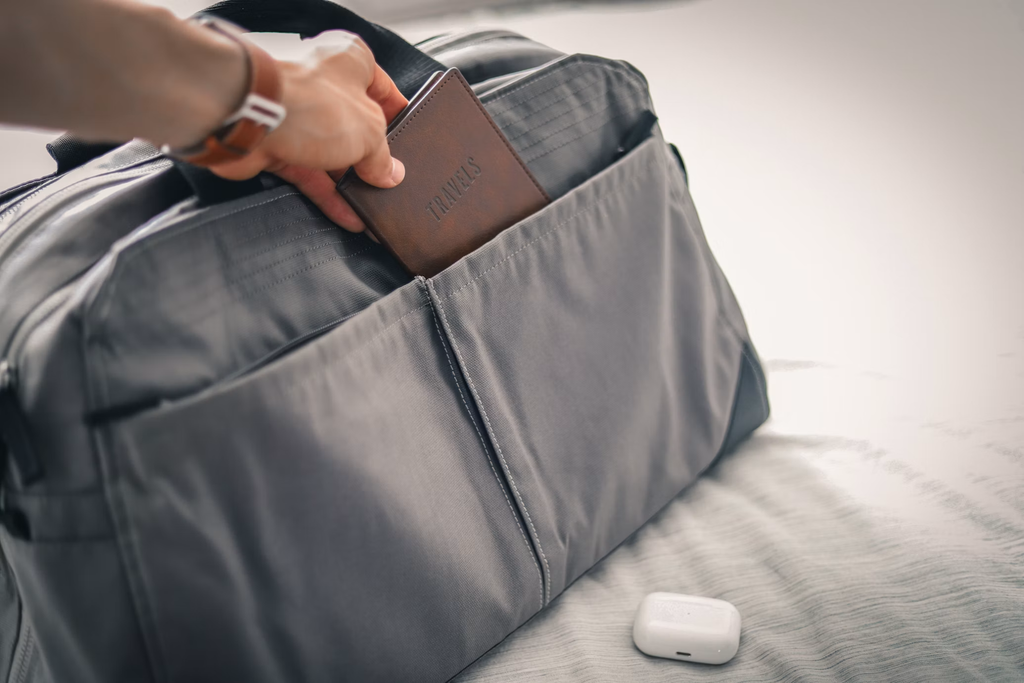
Delays can make you distracted and more vulnerable to theft, especially in busy terminals. Never leave your bags unattended, even briefly. Keep luggage within sight and locked, while carrying essentials in a smaller personal bag, including:
- Passport, tickets, and travel documents
- Wallet, cash, and cards
- Phone, laptop, and other valuables
- Essential medication
Keeping valuables on you reduces losses if your main bag goes missing. Secure luggage storage also keeps larger bags safe while you explore, giving you one less thing to worry about.
Contingency Planning Essentials
The best way to deal with a travel delay is to get ready for it before you even leave home. A solid backup plan can be the difference between a small annoyance and a huge travel nightmare. Start with how you pack. Put together a small “delay kit” in your carry-on bag with essentials to keep you comfy during a long wait. This should have a portable power bank for your phone, a reusable water bottle, some snacks that won’t spoil, a change of underwear and socks, and basic toiletries like a toothbrush and face wipes. Having these things on hand means you won’t be totally dependent on overpriced airport shops.
Next, take a look at your travel insurance policy. Understand what it covers when it comes to trip delays and cancellations. Know how to make a claim, including what paperwork you’ll need, like receipts for food or a place to stay. It’s also smart to know your rights as a passenger. Different regions and transport companies have different rules about compensation and help during delays. A quick search before your trip can tell you what you’re entitled to, whether it’s meal vouchers, a hotel room, or rebooking on another service. Knowing this helps you handle flight delays and other disruptions with confidence, because you’ll know what to ask for and what to expect from the travel provider.
Ultimately, being flexible is the most valuable skill a traveller can have. While delays are always annoying, facing them with a calm, prepared, and resourceful mindset can turn a negative experience into something manageable, and sometimes even a little enjoyable.