Have you ever ever found yourself going into a store for one thing and somehow walking out with a handful of items you never planned to get?
Maybe you went in to get a simple shampoo but found yourself picking up a lip balm near the checkout, a chocolate bar by the counter, or maybe a skincare product placed right at your eye level in one of the aisles. You might’ve thought that it was probably just a quick, on the spot decision. But more often than not, it’s the packaging and display that not only pulls you in but helps convince you to buy the product.
Impulse buying is not as random as you think it is. Retail spaces are designed to guide attention, trigger emotion, and make decisions feel easy. At the center of this is display packaging. The way a product is presented can quietly influence what people notice, pick up, and eventually purchase.
That is why custom display boxes play such an important role in retail psychology.
Why People Buy Without Planning
Impulse buying is something that is more driven by emotion rather than logic.
There’s a clear difference between planned buying and impulse buying. For planned purchases, the customer would usually compare products, understand their own needs, and take the price into consideration. Impulse purchases happen a lot faster. These purchases are usually triggered by curiosity, desire, convenience, or the fear of missing out.
A customer may not walk into a store intending to buy a small cosmetic item or snack, but if it is placed where they naturally pause, such as the checkout counter or aisle end, the chances of them buying it impulsively increases.
What creates that singular second of pause is the product packaging.
The color, shape, message, and placement on the product packaging needs to work together to grab any passerby’s attention within seconds. If the display feels attractive and easy to engage with, the customer is more likely to make a spontaneous decision.
Grabbing Customers Attention
Retail environments have a lot going on within them and are full of distractions. They have crowded shelves with brands competing for space left and right. This can be a disadvantage for brands. When the products customers are offered look too much like each other and offer the same functions and prices, customers get overwhelmed and sometimes even move on.
This means products have only a few seconds to stand out.
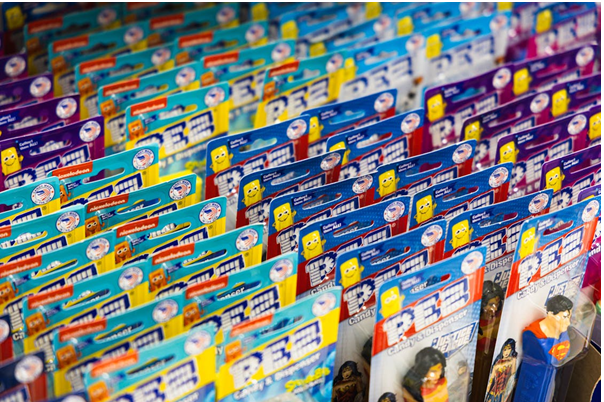
Display packaging helps products stand out and offer the customer a visual stop. A well-designed display box lifts the product out of the visual noise and gives it its own moment. This is why custom display boxes are so effective as they are designed not only to hold products but to attract immediate attention in a busy retail setting.
The Power of Visibility and Placement
In retail settings, psychology and placement go hand in hand.
The placement of products had a whole science behind it. Products that are placed at eye level naturally receive more attention.
Items placed near the checkout often benefit from waiting time, where customers are more likely to browse casually. At this stage, the customer’s mind is also more open to small rewards.
A quick snack, a mini perfume, or a travel-sized beauty product suddenly feels like a harmless addition that won’t damage the wallet that much. The decision feels easy because the product is visible, accessible, and attractively presented. Good display packaging supports this by making the product feel unique and needed.
Packaging Creates Perceived Value
People often judge the value of a product based on how it is presented to them.
A product that sits in a well-structured display will feel more high end and trustworthy than the same item if it was sitting loosely on a shelf. This is part of the psychology of perception.
Neat arrangement, high-quality print, and professional display design make the viewer think the product is credible since consumers subconsciously associate good presentation with product quality.
Experienced box manufacturers in USA, such as Blue Box Packaging, understand how packaging directly shapes customer perception, influencing how a product’s value, quality, and credibility are judged at first glance. They will tell you that the quality of the material, print precision, and structural design all affect how the display feels in-store and help you pick the best style for your products.
The Role of Scarcity and Exclusivity
Another psychological trigger is the feeling that the product may not always be available.
Limited-edition displays, seasonal packaging, or exclusive in-store presentations often encourage faster decisions.
Customers feel a subtle sense of urgency.
Even if the product is not truly scarce, the display can create that perception through messaging like “limited stock,” “holiday edition,” or “new arrival.”
The packaging supports this urgency visually, helping customers feel they should buy now rather than think about it later.
Brand Recall and Repeated Exposure
Impulse buying is also influenced by familiarity.
A customer may have seen the same brand online, on social media, or in previous store visits. When they see it again in an attractive display, recognition reduces hesitation.
Display packaging strengthens this effect. Consistent colors, logo placement, and branded messaging make the product easier to recognize. This familiarity builds comfort and speeds up decision-making.
Final Thoughts
Impulse buying is deeply connected to how products are presented. Customers often believe they made a quick personal decision, but in reality, display packaging has already shaped what they noticed, how they felt, and how easy it was to buy.
From visibility and color psychology to convenience and perceived value, custom display boxes play a major role in influencing those split-second retail choices.