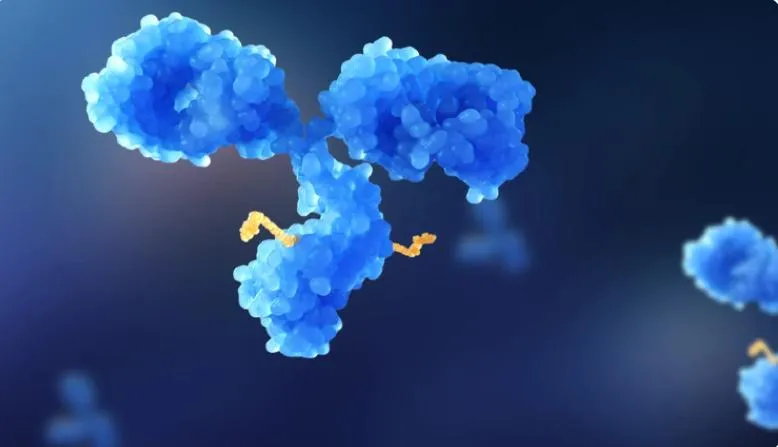
Antibody‑drug conjugates (ADCs) bring together the targeting ability of antibodies and the high potency of small‑molecule drugs. At the center of this strategy sits the ADC payload, the cytotoxic agent responsible for killing cancer cells after targeted delivery. Researchers design ADCs to recognize specific antigens on tumor cells, internalize, and then release their payloads inside those cells. This design helps concentrate powerful drugs at the tumor site while limiting exposure to healthy tissues. Drug developers now focus heavily on optimizing payload chemistry, potency, and safety to improve clinical success. Understanding how payloads work, and how scientists select them, is essential for grasping modern cancer drug design.
What Is an ADC Payload?
Definition and Function
An adc payload is the cytotoxic small‑molecule drug attached to a monoclonal antibody through a chemical linker. The antibody guides the ADC to cells that express a target antigen, usually overexpressed on tumor cells. After binding, the ADC is internalized and processed, which allows the payload to be released inside the cell. The payload then interferes with vital cellular processes, such as DNA replication or microtubule dynamics, leading to cell death. Developers select payloads that show extremely high potency, often active at picomolar levels, because only a limited number of drug molecules reach each cell. The payload therefore acts as the lethal “warhead” in the ADC design, turning targeted binding into a therapeutic effect.
Types of Cytotoxic Payloads Used in ADCs
Most clinical and approved ADCs use a few main classes of cytotoxic payloads. Microtubule inhibitors, such as auristatins and maytansinoids, block tubulin polymerization or destabilize microtubules, which disrupts mitosis. DNA‑damaging agents represent another key group; they include calicheamicin, duocarmycins, and pyrrolobenzodiazepines, which cause DNA breaks or cross‑links that trigger apoptosis. Topoisomerase I inhibitors, like exatecan derivatives, interfere with DNA replication and transcription. Some newer payloads modulate immune responses or induce targeted protein degradation. Each class shows a distinct mechanism, physicochemical profile, and toxicity pattern. Researchers match payload classes with specific tumor types, antigen expression levels, internalization rates, and resistance mechanisms to maximize clinical benefit while managing systemic toxicity and therapeutic index.
Role of Payload in ADC Design
Cell-Killing Mechanisms
The payload’s cell‑killing mechanism largely defines an ADC’s antitumor activity. Microtubule‑targeting payloads bind tubulin and prevent proper spindle formation, which arrests cells in mitosis and activates apoptotic pathways. DNA‑targeting agents enter the nucleus and induce double‑strand breaks or cross‑links, overwhelming repair systems and triggering cell death. Topoisomerase I inhibitors trap the enzyme‑DNA complex, causing replication‑associated DNA damage. Some payloads diffuse out of targeted cells after release, generating a “bystander effect” that kills neighboring antigen‑low tumor cells. Others remain trapped inside, which can reduce collateral damage but may limit activity in heterogeneous tumors. Understanding how each payload acts inside the cell guides antigen selection, linker design, and dosing strategies to balance efficacy and safety.
Potency Requirements in Cancer Targeting
Payload potency must compensate for the limited number of ADC molecules that reach each tumor cell. Many targets show moderate antigen density and variable internalization, so only a few payload molecules may be delivered per cell. Developers therefore favor highly potent cytotoxins active at low nanomolar or picomolar concentrations. However, extreme potency also amplifies risks if the payload releases prematurely in circulation or accumulates in healthy tissues. Drug designers evaluate in vitro cytotoxicity, intracellular retention, and efflux susceptibility to set potency requirements for different tumor types. They also consider tumor burden, antigen heterogeneity, and resistance mechanisms. The final ADC must pair sufficient payload potency with controlled release to achieve a wide therapeutic window and durable responses.
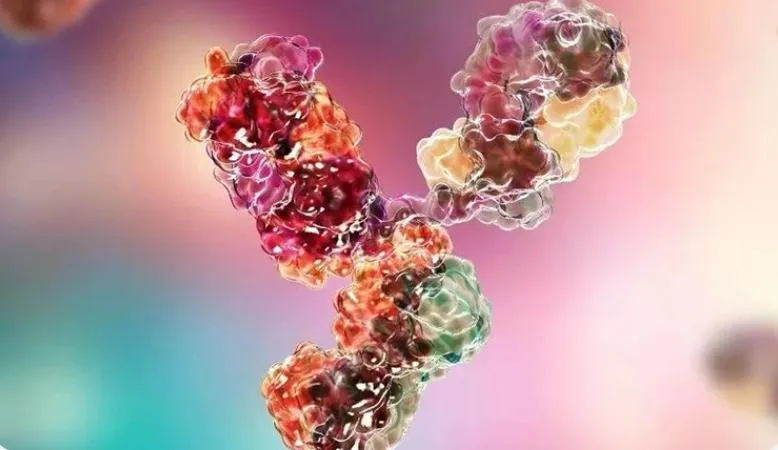
Payload Selection and Optimization
Stability and Linker Compatibility
Effective ADC design depends on strong compatibility between payload and linker chemistry. The payload must remain stable during manufacturing, storage, and circulation, yet release efficiently once inside the target cell. Hydrophobic payloads can cause aggregation, so chemists often adjust functional groups or select hydrophilic linkers to improve solubility. Cleavable linkers respond to specific intracellular conditions, such as low pH or high protease concentrations, while non‑cleavable linkers rely on lysosomal degradation of the antibody. Each payload requires tailored conjugation sites to preserve both antibody binding and drug activity. Optimization studies test serum stability, drug‑to‑antibody ratio, and release kinetics to prevent premature deconjugation. This iterative process refines the balance between systemic stability and intracellular activation.
Reducing Off-Target Toxicity
Minimizing off‑target toxicity is a central goal in payload optimization. Chemists adjust payload hydrophobicity, charge, and membrane permeability to limit non‑specific uptake by healthy cells and reduce unintended bystander effects. They design linkers that resist cleavage in plasma yet respond quickly to intracellular triggers, which restricts free payload exposure. Site‑specific conjugation can narrow the distribution of drug‑to‑antibody ratios, making pharmacokinetics more predictable. Toxicology studies identify dose‑limiting adverse events linked to payload class, such as myelosuppression or peripheral neuropathy, and guide structural tweaks. Developers also evaluate how hepatic metabolism and transporters handle released payloads and metabolites. Through these strategies, ADC programs aim to retain strong tumor killing while expanding the therapeutic index and improving tolerability.
Conclusion
ADC payloads define much of the power and risk within antibody‑drug conjugates. Their potency, mechanism of action, and compatibility with linkers and antibodies determine how effectively an ADC can kill tumor cells while sparing healthy tissues. Modern cancer drug design treats payload selection as a highly strategic decision, guided by tumor biology, antigen expression, and clinical safety data. Ongoing research explores new payload classes, controllable release mechanisms, and smarter conjugation technologies that may widen therapeutic windows. As these advances progress, well‑optimized payloads will continue to transform ADCs from experimental tools into reliable, targeted therapies that offer patients more precise and effective options in oncology.