Plug in solar can work in several parts of a home, but the best location is the one that gets strong daylight, has minimal shade, and allows safe, secure mounting near a suitable socket. For many households, that means a balcony, patio, garden wall, shed, or garage rather than the main roof. These systems are designed to be simpler to position than traditional rooftop solar, yet placement still has a big effect on performance, safety, and day-to-day convenience. A poorly chosen spot can limit generation and create avoidable cable or weather issues. Before installing plug in solar at home, it helps to compare the most practical locations and check the basic UK requirements for exposure, mounting, permissions, and electrical safety.
Best Places to Install Plug In Solar at Home
Balconies, Gardens and Patios
Balconies, gardens, and patios are often the easiest places to install plug in solar at home because they offer open access, flexible positioning, and straightforward maintenance. A south-facing balcony can be especially effective if it avoids shade from nearby buildings, railings, or overhanging roofs. In gardens and on patios, panels can be fixed to ground frames or placed against sturdy structures where they receive long periods of direct sunlight. These locations also make it easier to clean panels and inspect cables regularly. The key is to choose a spot that stays clear of foot traffic, pets, and accidental knocks. If you use a garden or patio area, keep the panel stable and avoid placing it where standing water collects.
Walls, Garages and Sheds
Walls, garages, and sheds can be excellent installation points when outdoor floor space is limited or when you want a tidier, more permanent setup. A solid external wall can support plug in solar panels well, especially if it faces south, southeast, or southwest and is free from regular shading. Garages and sheds are useful because they often have broad wall areas and nearby outdoor space for secure mounting. They can also help keep panels away from busy seating or walking areas. Before choosing one of these locations, check if the structure is sound enough to carry the weight and wind load. You should also confirm that mounting points will not damage cladding, weak timber, or aging brickwork over time.
How to Choose the Right Installation Location
Sunlight, Direction and Shading
The best plug in solar location is the one with the most consistent sunlight across the day. In the UK, south-facing positions usually deliver the strongest output, while southeast- and southwest-facing spots can still perform well. East- or west-facing placements may generate useful power, but typically less over a full day. Shade matters just as much as direction. Trees, fences, neighbouring buildings, chimneys, and even balcony rails can reduce performance significantly, especially if they block light during peak daylight hours. Check the site in the morning, midday, and afternoon rather than judging it once. Seasonal changes also matter, because the sun sits lower in winter and can create longer shadows. A bright, open position will usually outperform a more convenient but shaded one.
Panel Angle, Mounting Space and Socket Access
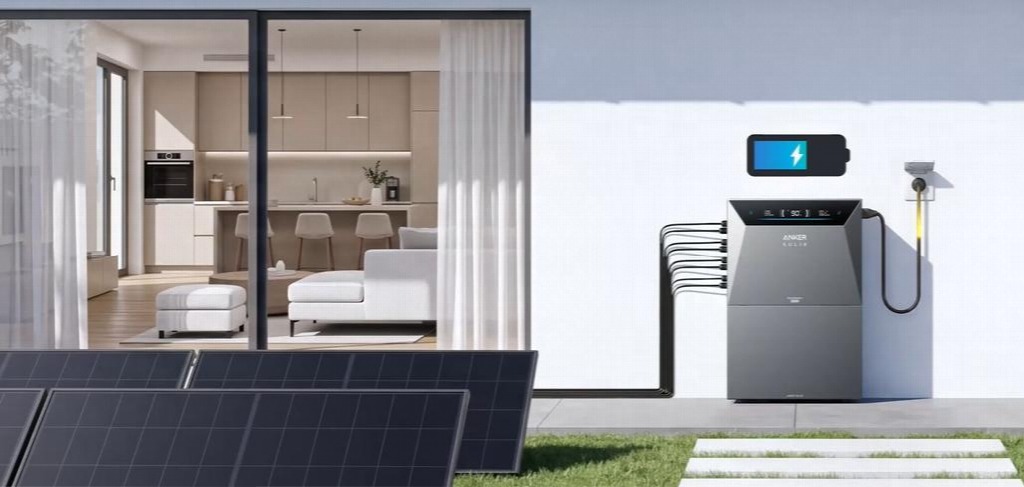
A good installation location needs more than sunlight. The panel should sit at a practical angle that captures daylight well and allows rain to help clear dirt from the surface. The mounting area must be large enough for the panel and brackets, with room to secure everything properly and maintain airflow behind the unit. Avoid cramped placements where the panel overhangs edges or sits loosely. Socket access is equally important for plug in solar. The cable route should be short, tidy, and protected from strain, trips, and weather exposure. Do not rely on awkward extension leads across doors, paths, or wet outdoor areas. A convenient nearby socket, combined with stable mounting space and a suitable tilt, usually makes installation safer and everyday use much simpler.
What to Check Before Installing Plug In Solar
UK Installation, Permission and Electrical Safety
Before installing plug in solar, check that the system is suitable for use in the UK and that you understand any property rules that apply. If you live in a flat, leasehold property, listed building, or conservation area, you may need approval from a landlord, freeholder, or local authority before fixing panels to external surfaces. Electrical safety should be a priority from the start. Use the equipment exactly as specified, connect only to an appropriate socket, and never modify plugs, cables, or connectors. If you are unsure about the supply, outdoor socket suitability, or circuit condition, ask a qualified electrician to inspect it first. A safe installation starts with the right permissions, correct setup, and proper attention to electrical standards.
Weather Protection, Cables and Secure Mounting
Outdoor plug in solar must be able to cope with wind, rain, and daily temperature changes, so mounting quality matters as much as location. Fix panels to a stable surface with hardware designed for the material underneath, whether that is masonry, timber, or a dedicated frame. Loose or improvised fixings can fail in bad weather and create serious risk. Keep cables routed neatly, away from sharp edges, standing water, hot surfaces, and places where people may trip or pull them accidentally. Outdoor connections should be protected appropriately for the setting and not left exposed where water can collect. It is also worth checking the panel and brackets periodically, especially after strong winds, to make sure everything remains secure, aligned, and working safely.
Conclusion
You can install plug in solar at home in several practical places, including balconies, gardens, patios, walls, garages, and sheds. The best option is usually the spot with the clearest sun exposure, the least shading, secure mounting, and easy access to a suitable socket. South-facing positions often give the strongest results, but a well-placed southeast- or southwest-facing setup can still be worthwhile. Once you have identified a good location, check the structure, cable route, weather exposure, and any UK permission or electrical safety requirements before going ahead. A careful placement decision helps plug in solar generate more useful power and reduces avoidable installation problems. In short, good performance starts with choosing the right place, not just buying the panel.