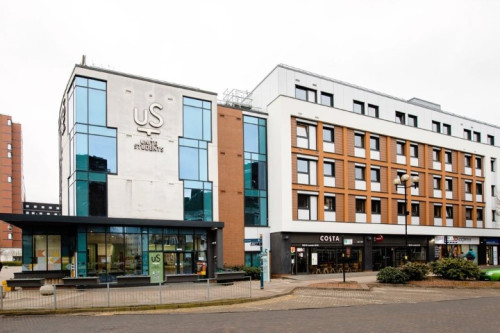
Birmingham has been quietly transforming itself for over a decade, and most of that change is happening right where students live, study, and socialise. Construction cranes are now as much a part of the skyline as the Bullring, and neighbourhoods once written off as run-down are being rebuilt from the ground up. At the centre of it sits a single, enormous infrastructure project reshaping how the city connects to the rest of the country. For anyone choosing where to study next, this matters more than it might seem at first. New transport links don’t just move people faster; they move investment, jobs, and communities along with them. Areas near the centre once overlooked are now some of the most sought-after postcodes in the Midlands. Universities have expanded campuses to keep pace, and developers have followed close behind. Parents researching options often assume regeneration is a distant idea, but in Birmingham it’s having a direct effect on rent prices, travel times, and lifestyle. Understanding this shift can help you make a smarter decision about where to settle for the next few years.
This is exactly why so many students researching Student Accommodation Birmingham are now looking beyond the usual postcodes and paying closer attention to areas being reshaped by the city’s biggest infrastructure project in a generation.
How Is HS2 Actually Changing Birmingham’s Neighbourhoods?
The HS2 high-speed line is being built with a new terminus at Curzon Street, on the eastern edge of the city centre. Before HS2 was even proposed, the Eastside area was badly run-down, but over the past decade redevelopment has turned the land near the station into a learning quarter, with millions invested in a new university campus, hotels, and residential blocks. That sums up the whole story: a forgotten corner of the city has become a hub for students and young professionals almost overnight.
The knock-on effect is visible elsewhere too. Birmingham’s recently unveiled Central Heart prospectus sets out plans to turn under-used retail and office space into a high-rise neighbourhood, with thousands of new homes proposed around Curzon Street station. Whenever this kind of investment flows into an area, accommodation choice and quality tend to improve, since developers want their builds to sit alongside something worth living near.
Which Neighbourhoods Are Becoming the New Hotspots for Student Accommodation Birmingham?
Digbeth is the name on everyone’s lips right now. It sits just south of the HS2 site and is earmarked as the next area for major redevelopment. What was once known mainly for warehouses and creative studios is rapidly turning into a residential and cultural quarter, with independent coffee shops, music venues, and co-working spaces opening alongside new apartment blocks.
Eastside, right next to the new terminus, has already had its transformation and is now a settled learning and living district, home to university buildings and a growing number of purpose-built residences. The Jewellery Quarter, and stretches closer to Moor Street, are also benefiting from better walkability and transport links despite sitting a short distance from the station itself.
For first-year students who don’t yet know the city, this matters practically too. Living somewhere with strong transport connections means fewer early starts, easier access to part-time jobs, and a simpler social life, since friends and societies tend to be spread across several campuses.
Will HS2 Make Birmingham More Expensive to Study In?
It’s a fair question, and an honest answer is: in some pockets, yes, prices have crept up. Areas closest to Curzon Street and the wider redevelopment zones have seen rents rise as demand grows and quality improves. This isn’t uniform across the city, though. Birmingham remains considerably more affordable than London or Manchester, and competition between developers has helped keep standards high without prices spiralling everywhere.
International students and parents comparing costs across UK cities often find that even with regeneration nudging some rents upward, the overall cost of living in Birmingham still works out favourably. The key is being selective about location and starting your search well ahead of the academic year.
Should You Choose Somewhere Near the HS2 Construction Zones?
This depends on what you value most. Living close to Curzon Street or Digbeth puts you near the heart of the action, with new restaurants, bars, and transport links arriving constantly, though there’s also ongoing construction noise to factor in for now. Areas slightly further out, but still well connected by bus or tram, often offer a quieter base while still giving quick access to campus and the city centre.
Whichever direction you lean, it’s worth visiting in person or speaking to current students before committing, since photos rarely capture how a neighbourhood feels day to day. Once HS2 is fully operational, the areas around the new station are expected to become even more desirable, so getting in early can mean better value before prices catch up with the hype.
What Should International Students and Parents Take Away From This?
Birmingham’s regeneration story is far from finished, but the direction is clear: the city is investing heavily in becoming better connected, more liveable, and more attractive to the students who choose it every year. That’s good news whether you’re arriving from overseas wanting a city that feels genuinely cosmopolitan, or you’re a parent wanting reassurance your child will be living somewhere safe and full of opportunity. And with strong demand for Student Accommodation Birmingham showing no signs of slowing, it pays to start exploring options sooner rather than later.
If you’re mapping out where to live for the year ahead, it’s worth getting a head start before the best new developments fill up. Platforms like Casita make this part of the process far less stressful, letting you compare verified properties across the city’s regenerated neighbourhoods, check genuine reviews, and book a room online without needing to fly in for a viewing. Wherever you end up, Birmingham’s transformation means you’re arriving at an exciting time to call the city home.