When looking for an electronics manufacturer, checking their technical chops is step one. It’s not just about having machines; it’s about knowing how to use them for your specific needs. You want a partner who understands the ins and outs of making your product a reality.
Understanding Specific Project Requirements
Before you even talk to a manufacturer, get crystal clear on what your project demands. What are the must-haves? What are the nice-to-haves? Laying this out helps you find a manufacturer who actually fits, rather than one who just says they can do it. Knowing your project inside and out is key to a successful partnership.
Evaluating Machinery, Tools, and Experience
Take a good look at their equipment. Is it modern? Is it the right kind of gear for your product? Ask about their experience with similar projects. A manufacturer with a solid track record in your product’s niche is usually a safer bet. They should be able to show you they have the right tools and the know-how.
Verifying Expertise in Relevant Technologies
Does the manufacturer know their stuff when it comes to the specific technologies your product uses? Whether it’s a certain type of circuit board assembly or a particular material, their technical capabilities need to align. Don’t be afraid to ask detailed questions about their team’s skills and their familiarity with the technologies involved in your project. This verification is vital for assessing their technical capabilities.
A manufacturer’s technical capabilities are the bedrock of a successful production run. Without them, even the best designs can falter.
Here’s a quick checklist:
- What specific assembly processes do they specialize in?
- Do they have experience with the materials your product requires?
- Can they handle the complexity of your design?
- What kind of testing equipment do they possess?
Ensuring Quality Through Certifications And Standards
Importance of Industry-Specific Certifications
When looking for an electronics manufacturer, check their certifications. These aren’t just fancy badges; they show a commitment to quality. For example, if your product is for the aerospace field, you’ll want to see AS9100 certification. This standard means they meet strict requirements for safety and reliability in that specific industry. Without these industry-specific certifications, a manufacturer might not have the right processes in place for your particular needs.
Compliance with Global Standards (ISO, IPC)
Beyond industry specifics, look for adherence to broader quality standards like ISO 9001. This standard focuses on having a solid quality management system, making sure processes are consistent and customer needs are met. You’ll also see references to IPC standards, like IPC-A-610, which set guidelines for electronics assembly quality. A manufacturer that follows these global standards demonstrates a baseline level of quality control that’s recognized worldwide. This helps build trust and predictability in the manufacturing process.
Operator Certification and Training
Don’t forget about the people doing the work. Are the assembly operators certified? Many manufacturers require their staff to hold certifications in the latest assembly techniques and quality standards. This means they’ve been trained and tested on their skills. Asking about operator certification and ongoing training shows you care about the hands-on quality of your product. A good partner will be transparent about their team’s qualifications and their plans for keeping skills up-to-date.
Evaluating Past Performance And Reliability
Requesting References and Case Studies
Checking a manufacturer’s history is smart. You want to see what they’ve done before. Ask for references from past clients. Also, request case studies that show similar projects they’ve completed. This gives you a look at their consistency and the quality of their work. It helps you gauge their reliability.
Analyzing Customer Reviews and Third-Party Ratings
What are other people saying? Look at customer reviews online. Check third-party ratings too. These can show you a lot about their reputation and how they treat their customers. Pay attention to feedback about how they handle problems. A good manufacturer is ready for unexpected issues.
Assessing Problem-Solving Abilities
Things don’t always go perfectly in manufacturing. Sometimes, problems pop up. How does the manufacturer handle these situations? Do they have a good track record of finding solutions? A manufacturer with strong problem-solving skills can save you time and money. Their ability to fix issues quickly is a sign of a reliable partner. We look for this when evaluating a potential partner’s past performance.
Considering Geographical Location And Logistics
Impact on Shipping Costs and Delivery Times
The physical location of your electronics manufacturer matters. It directly affects how much you’ll spend on shipping and how long it takes for your products to arrive. A manufacturer closer to your business or your target market usually means lower shipping costs and faster delivery. This proximity can be a big deal, especially if you need parts quickly or have tight deadlines. Think about it: less travel time for components and finished goods means less money spent on fuel and transport.
Choosing a geographically convenient manufacturer can significantly cut down on lead times and associated expenses. While technology allows for global partnerships, don’t overlook the practicalities of distance. It’s about balancing cost savings with the need for timely product availability. The logistics of getting your product from the factory floor to your customer’s hands are a key part of the overall manufacturing picture.
Time Zone Differences and Communication
Working with a manufacturer in a different time zone can complicate things. Imagine needing to discuss an urgent issue with your production team, but they’re just finishing their day as yours is starting. This can lead to delays in problem-solving and decision-making. Effective communication is vital in electronics manufacturing, where even small issues can snowball.
It’s important to assess how the manufacturer handles communication across different time zones. Do they have systems in place for 24/7 support or clear protocols for off-hours inquiries? Understanding their communication structure helps avoid misunderstandings and keeps your project moving smoothly. A well-defined communication plan is a must.
Understanding Local Regulations
Every region has its own set of rules and regulations that can impact manufacturing. These might include environmental laws, labor standards, or import/export restrictions. A manufacturer’s location means they operate under these local regulations, which could affect production processes, material sourcing, or even the final cost of your product.
It’s wise to research the regulatory environment of the manufacturer’s location. Are they compliant with all relevant laws? Understanding these local regulations helps prevent unexpected hurdles or compliance issues down the line. This due diligence protects your business from potential legal or financial complications related to the manufacturer’s operating environment.
Understanding Scalability And Production Capacity
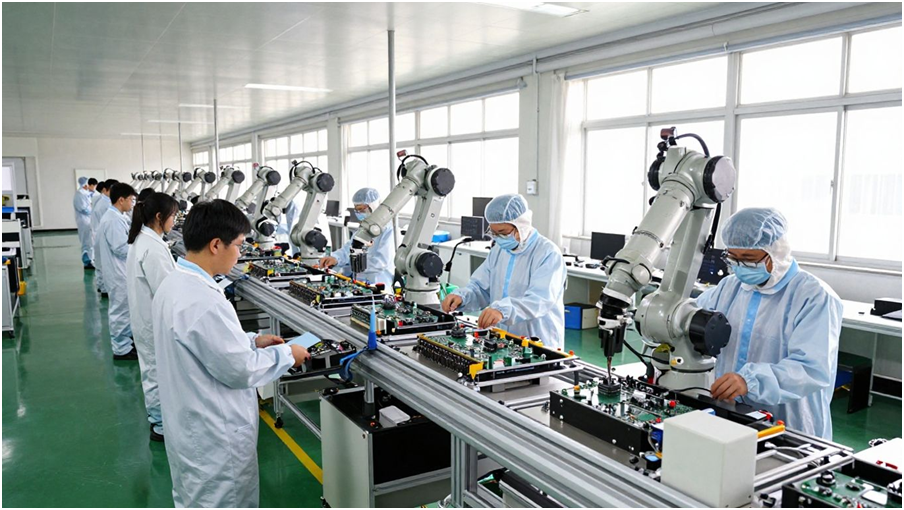
When picking an electronics manufacturer, think about how well they can handle your project’s size, both now and in the future. Can they ramp up production if demand spikes? Can they scale back if things slow down? This flexibility is key.
Adapting to Varying Project Scales
Manufacturers need to show they can handle different project sizes. This means having the right equipment and processes in place. A good manufacturer invests in modern machinery, like advanced pick-and-place machines and automated inspection tools. This investment helps them manage both small, intricate jobs and large-volume runs efficiently. Their ability to adapt their production lines is a direct reflection of their commitment to meeting diverse client needs.
Handling High Demand and Low Demand Periods
Think about how the manufacturer manages fluctuations. Do they have a plan for busy times and quiet times? This involves smart inventory management and flexible staffing. For instance, they might use phased deliveries for large orders, allowing you to manage cash flow while they benefit from bulk component pricing. This approach helps keep costs down per unit, especially when dealing with high demand.
Ensuring Efficiency and Cost-Effectiveness
Scalability directly impacts cost. When a manufacturer can efficiently adjust production, it lowers overhead per unit. This means you get better pricing. Smaller orders can sometimes be more expensive due to setup costs, so understanding how they handle different volumes is important. A manufacturer that invests in technology and process improvement is better positioned to offer competitive pricing across various production scales. This focus on efficiency is what separates good partners from great ones.
Prioritizing Testing And Inspection Processes
Essential Testing Methods (AOI, X-ray, ICT)
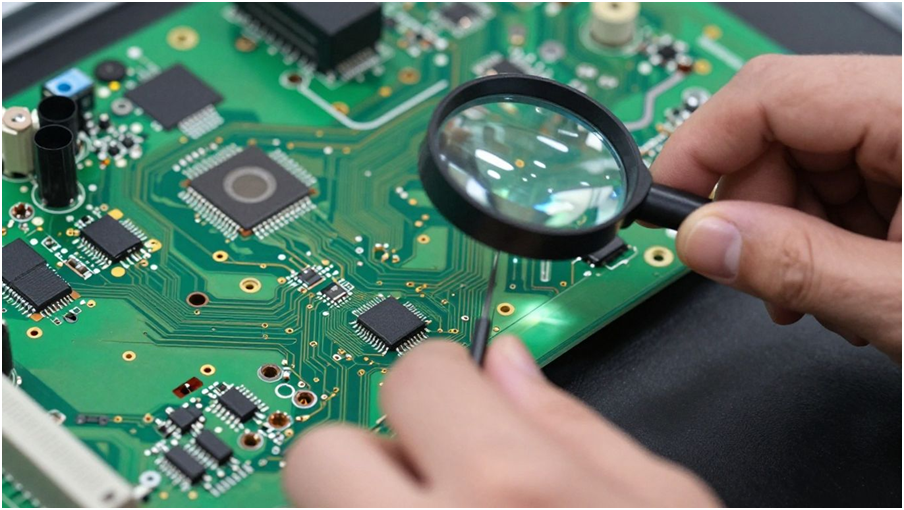
When you’re working with an electronics manufacturer, you can’t just assume everything will work perfectly right out of the gate. That’s where testing and inspection come in. Think of it as the quality control checkpoint. You’ll want to know what methods they use to catch problems early. Automated Optical Inspection (AOI) is pretty standard for checking solder joints and component placement on circuit boards. Then there’s X-ray inspection, which is great for seeing what’s going on inside complex components or under BGA (Ball Grid Array) packages where you can’t see visually. In-Circuit Testing (ICT) is also a big one; it checks individual components and connections on the board to make sure they’re all functioning as they should. These testing methods are your first line of defense against faulty products.
Functional Testing for Product Reliability
Beyond just checking the individual parts and connections, you need to make sure the whole product actually does what it’s supposed to do. This is where functional testing comes into play. It simulates how a user would interact with your product, verifying that all the features work correctly and that the device performs reliably under expected conditions. A good manufacturer will have a robust plan for functional testing, tailored to your specific product’s requirements. This isn’t just about passing a checklist; it’s about making sure your customers have a good experience and don’t run into issues down the line. Reliability is key, and functional testing is how you get there.
Identifying and Mitigating Defects
No manufacturing process is perfect, and defects can happen. The real difference between a good electronics manufacturer and a mediocre one is how they identify and deal with these defects. They should have clear processes for tracking any issues found during testing and inspection. This includes not just finding the problem but also figuring out why it happened. Was it a component issue? A process error? Once the root cause is identified, they need to implement corrective actions to prevent it from happening again. This continuous improvement loop is vital for maintaining high quality and reducing waste. Identifying and mitigating defects isn’t a one-time thing; it’s an ongoing effort.
Conducting Thorough Due Diligence
Before you commit to a partnership, taking the time for thorough due diligence is a smart move. It’s about looking under the hood, so to speak, to make sure the electronics manufacturer is a good fit for your business and your product. This isn’t just a formality; it’s a critical step to avoid headaches down the road.
Transparency in Operations
An honest manufacturer will be open about how they do things. They should welcome questions about their processes and be willing to show you around their facility. Look for a partner who is upfront about their capabilities and limitations. If a company seems cagey or avoids discussing their operational details, that’s a red flag. Transparency builds trust, which is key for any successful business relationship.
Auditing Manufacturing Processes
Don’t just take their word for it; see the manufacturing processes for yourself. This could involve a site visit or a detailed review of their quality control procedures. Understanding their workflow, from component sourcing to final inspection, helps you gauge their reliability. Pay attention to how they handle things like electrostatic discharge (ESD) control, as this is vital for protecting sensitive electronic components. A solid audit confirms their ability to meet your product’s specific needs.
Seeking Expert Advice Before Partnership
Sometimes, you need a second opinion. Consider bringing in an independent consultant or an experienced engineer to help evaluate potential manufacturers. They can spot issues you might miss and provide an objective assessment. This expert advice can be invaluable in making an informed decision. Remember, the goal of due diligence is to build a strong foundation for a long-term, productive relationship with your chosen electronics manufacturer.
Wrapping Up Your Search
So, picking the right electronics maker isn’t just about finding someone to build your gadget. It’s a big decision that really affects how well your product does. You’ve got to look past just the cheapest price and really check out what they can do technically, if they have the right papers like ISO certifications, and how they’ve handled jobs before. Don’t forget to think about where they are located and if they can handle more work if you need it later. Doing your homework now, asking all the right questions, and maybe even visiting their place can save you a lot of headaches, money, and delays down the road. Finding a partner who treats your project like their own is key to getting your product out there successfully.