
Weekends should feel refreshing, yet many families spend them glued to screens, rushing through chores, or feeling too tired to do anything meaningful together. As busy lifestyles continue to affect both parents and children, many households are now looking for healthier ways to spend their free time at home.
From outdoor games and active play to family challenges and wellness activities, small changes are helping families build stronger connections and healthier habits. In this blog, you will discover why healthy weekend routines matter, how families are making positive changes at home, and fun activities everyone can enjoy together.
Transitioning towards healthier weekends often starts with understanding the impact routines can have on family wellbeing.
Why Healthy Weekend Routines Matter for Families?

Healthy weekend routines help families relax, reconnect, and recharge after a busy week. They improve wellbeing, encourage quality time, and create a better balance between rest and activity.
Importance of Balancing Work, School, and Relaxation
Busy schedules can leave families feeling stressed and tired. Healthy weekends create time to rest, recharge, and spend meaningful time together. Reducing screen time is also becoming an important part of healthier family routines.
Effects of Extended Screen Time on Children and Adults
Too much screen time can affect sleep, focus, mood, and communication. Replacing screens with active family activities encourages healthier habits and stronger connections. More movement during weekends can also improve overall wellbeing.
How Active Weekends Improve Mood, Sleep, and Energy Levels?
Activities such as walking, dancing, and trampolining help boost mood, improve sleep, and increase energy levels for both children and parents. Active weekends also help families bond together.
Building Stronger Family Connections Through Shared Activities
Shared games, outdoor activities, and family challenges encourage communication, teamwork, and lasting memories together.
Now that more families recognise the benefits of healthy routines, many are changing how they spend their weekends at home.
5 Ways Families Are Building Healthier Weekend Routines at Home

Families across the UK are discovering that healthier routines do not require dramatic lifestyle changes. Small adjustments can completely transform how weekends feel at home. From outdoor activities to consistent wellness habits, families are finding creative ways to stay active and connected together.
1. Replacing Passive Screen Time With Meaningful Activities
Many parents now set designated screen-free periods during weekends to encourage more interaction and movement. Instead of spending hours on devices, families are choosing activities such as puzzles, baking, crafts, reading, and active games.
This shift creates more opportunities for conversation and helps children become more creative and engaged. It also encourages healthier habits that reduce dependence on digital entertainment.
As screen time decreases, outdoor play is making a strong comeback in family routines.
2. Bringing Outdoor Play Back Into Daily Family Life
Outdoor play allows children to stay physically active while exploring their creativity and independence. Families are spending more time in gardens, parks, and outdoor spaces where children can run, jump, and play freely.
Simple activities such as football, skipping, scavenger hunts, or trampoline games encourage movement while reducing boredom indoors. Outdoor play also supports mental well-being by helping families spend time in fresh air and natural surroundings.
Many households are also making weekends more energetic overall.
3. Creating More Active and Energetic Weekends
Families are replacing long periods of sitting with movement-based activities that feel fun rather than forced. Weekend bike rides, dance sessions, obstacle races, and garden games are becoming popular ways to stay active together.
These activities improve fitness levels naturally without making exercise feel like a chore. Children often become more enthusiastic about movement when parents participate alongside them.
Alongside active weekends, many families are building consistent, healthy habits at home.
4. Building Consistent Healthy Habits at Home
Consistency plays a major role in creating long-term healthy routines. Families are introducing regular meal times, outdoor breaks, hydration habits, and active play sessions into their weekends.
Children thrive when routines feel predictable yet enjoyable. Small healthy habits practised regularly often become part of everyday family life over time.
One activity that many families are adding to their routines is interactive trampolining.
5. Making Interactive Trampolining Part of Family Wellness Routines
Trampolining combines exercise, entertainment, and family bonding in one activity. It encourages movement, improves coordination, and helps children release energy in a healthy way.
Families enjoy trampolining because it feels exciting rather than structured. Interactive rectangular trampoline games, bounce challenges, and movement activities allow both children and adults to stay active while having fun together.
Once healthy routines become part of family life, enjoyable activities help keep everyone motivated and engaged.
Top 15 Fun Activities Families Can Enjoy Together
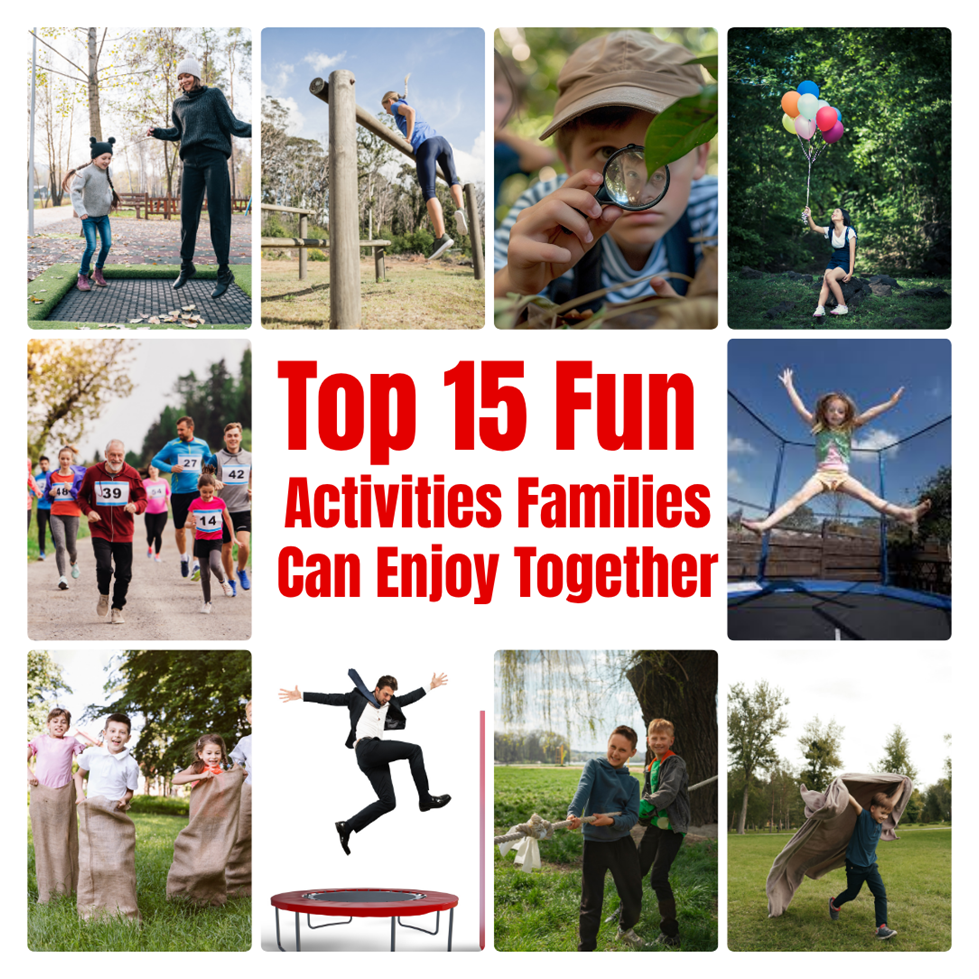
Healthy weekends become easier to maintain when activities feel enjoyable for everyone involved. The best family activities encourage movement, laughter, teamwork, and creativity without requiring complicated planning. Here are some simple and entertaining activities families can enjoy together at home.
1. Follow the Leader on the Trampoline
Take turns leading safe jumps, spins, and movements on aninground trampoline while others copy along. This activity improves coordination and keeps children engaged through friendly interaction.
Transitioning from simple jumping games, families can also create exciting physical challenges outdoors.
2. Garden Obstacle Race
Use cones, hoops, cushions, and garden trampolinefurniture to create a timed obstacle course. Children enjoy racing through different challenges while improving balance and agility.
After energetic races, treasure-style games can add excitement to the weekend.
3. Scavenger Hunt Challenge
Hide objects around the house or garden and create clues for children to follow. Scavenger hunts encourage problem-solving while keeping children active and entertained.
For lighter indoor fun, balloon games always create laughter.
4. Balloon Keep-Up
Work together to stop balloons from touching the ground while jumping safely on a 14ft trampoline. This activity improves coordination and teamwork while creating lots of excitement.
Families looking for competitive activities often enjoy relay games too.
5. Family Relay Races
Organise simple relay races involving running, hopping, or balancing challenges. Relay races encourage teamwork and friendly competition among family members.
For trampoline lovers, bounce-based games remain a popular choice.
6. Trampoline Bounce Count
See who can complete the highest number of controlled jumps safely. This challenge encourages stamina, focus, and safe trampolining habits.
Creative movement games can make mini trampoline sessions even more entertaining.
7. Sack Race Competition
Use pillowcases or sacks for classic racing fun in the garden. Sack races encourage movement while creating hilarious family moments.
Families can also turn jumping into imaginative shape-based games.
8. Shape Bounce
Each player creates shapes such as stars, hearts, or circles using body movements while bouncing on the trampoline withtrampoline frame pads. This activity encourages creativity and coordination.
For teamwork-focused fun, traditional strength games still work brilliantly.
9. Tug of War
Tug of war encourages cooperation, communication, and physical activity. Families can enjoy this classic game indoors or outdoors using a strong rope.
Simple traditional games continue to remain family favourites.
10. Hide and Seek
Hide and seek keeps children active while encouraging exploration and excitement. Whether you’re inside or out, it will function.
Target games also offer simple entertainment for all ages.
11. Red Light, Green Light
Add a trampoline twist by challenging players to complete 20 controlled jumps within one minute without getting caught. Using high qualitytrampoline spares can help improve bounce performance and create a smoother, safer jumping experience. Any player who fails to complete the challenge is eliminated before the next turn begins.
After active games, calmer activities can help families relax together.
12. Family Dance Off
Play favourite songs and take turns showing dance moves. Dance sessions improve mood, boost energy, and encourage confidence in children.
Classic playground games still provide endless entertainment, too.
13. Hopscotch
Draw a hopscotch grid outdoors and enjoy active jumping challenges together. A child’s coordination and balance can be enhanced by playing hopscotch.
Movement games with rules and challenges often create extra excitement.
14. Bean Bag Toss
Set up scoring targets using buckets or hoops and take turns throwing bean bags. This activity improves coordination and concentration.
Music-based activities can also energise family weekends.
15. Board Game Night
Classic games such as Monopoly, Scrabble, Uno, or Cluedo encourage conversation, teamwork, and quality family time away from screens.
While fun activities help families stay engaged, maintaining healthy routines requires consistency and flexibility.
Tips for Building a Sustainable Weekend Routine
Tips for Building a Sustainable Weekend Routine
Creating healthier weekends does not mean planning every minute perfectly. Sustainable routines work best when they feel realistic, enjoyable, and flexible for the whole family. These simple tips can help families maintain healthy habits long term.
Keep Activities Simple and Flexible
Families do not need elaborate plans every weekend. Simple activities often work best because they feel easier to maintain consistently.
Transitioning towards healthier habits becomes easier when children feel included in the process.
Involve Children in Planning Activities
Allowing children to choose activities encourages enthusiasm, independence, and cooperation. Whether it is planning outdoor games, movie nights, or even a birthday party Exeter families can enjoy together, involvement helps children feel included.
Healthy routines work best when families focus on progress rather than perfection.
Focus on Consistency Rather Than Perfection
Not every weekend will go exactly as planned, and that is completely normal. The goal is to build positive habits gradually instead of creating pressure.
Most importantly, wellness routines should always feel enjoyable.
Make Wellness Activities Enjoyable
Children are more likely to stay active when activities feel fun rather than forced. Families should focus on enjoyment, creativity, and shared experiences instead of strict schedules.
Conclusion
Healthy weekend routines are helping families reconnect, stay active, and create more meaningful time together at home. By reducing excessive screen time, encouraging outdoor play, introducing active games, building simple wellness habits, or creating a soft play zone at home, families can improve both physical and emotional well-being.
The most effective routines are not necessarily the most complicated ones. Small changes such as trampolining, garden games, family dance sessions, or shared board game or sleepover game for a fun night can transform weekends into something more positive and energising.
When families prioritise movement, connection, and quality time together, weekends become more than just a break from work or school. They become an opportunity to build stronger relationships, healthier habits, and lasting memories that children will carry with them for years to come.