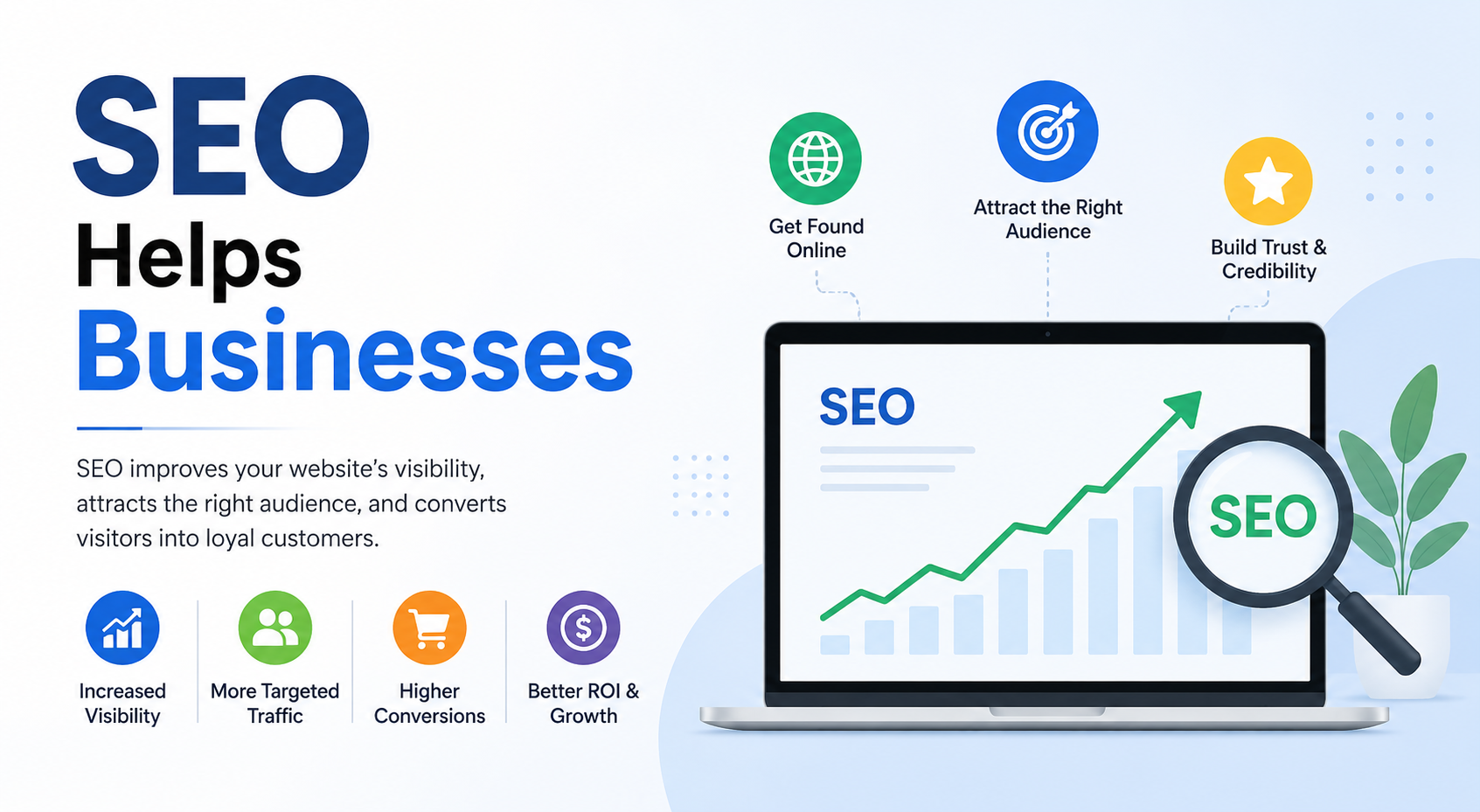
Understanding the Role of Automated SEO
Automated SEO isn’t about replacing human strategy; it’s about making that strategy more effective. Think of it as a smart assistant for your digital marketing efforts. It handles the repetitive, time-consuming tasks so your team can focus on what truly matters: creative thinking and big-picture planning. This approach helps businesses keep pace in a fast-changing online world.
Automated SEO tools take over grunt work, freeing up valuable human hours. They can sift through data, identify patterns, and even suggest actions faster than any person could. This means less time spent on manual processes and more time for innovation. It’s about working smarter, not just harder, to achieve better search engine results.
Identifying Time-Saving Opportunities
Many SEO tasks, from keyword research to site audits, involve a lot of repetitive work. Automated solutions can significantly cut down the time spent on these activities. For instance, keyword clustering, which used to involve hours of spreadsheet work, can now be done in minutes with the right software. This allows businesses to quickly identify target terms.
Consider technical SEO. Tools can automatically scan your website for issues like broken links, slow page speeds, or missing meta descriptions. Fixing these problems manually can be a lengthy process. Automation flags these issues, allowing for quicker resolution and improved website performance. This is a prime example of how automated SEO saves time.
Integrating Automation into Your Strategy
Bringing automation into your SEO strategy doesn’t have to be an all-or-nothing approach. Start by identifying the most time-consuming tasks in your current workflow. Are you spending too much time on keyword research or content analysis? These are often good starting points for automation.
- Keyword Research: Use tools to find and group relevant keywords efficiently.
- Content Analysis: Employ software to check content against top-ranking pages for optimization opportunities.
- Technical Audits: Schedule regular automated scans to catch site errors early.
Implementing automated SEO requires a thoughtful approach. It’s about augmenting your team’s capabilities, not replacing them. Focus on tools that provide actionable insights and integrate smoothly with your existing processes. This makes the transition smoother and the benefits more immediate.
Automating Keyword Research and Content Strategy

Efficient Keyword Discovery and Clustering
Finding the right keywords used to take ages. Now, tools can do the heavy lifting. They look at what people are actually searching for, not just what you think they’re searching for. This means you can find those golden nuggets that bring in the right kind of visitors.
These systems can group similar keywords together, making it easier to plan your content. Instead of chasing individual terms, you can build out topic clusters. This approach helps search engines understand your site’s authority on a subject. Automated keyword research and clustering is a game-changer for businesses.
Think about it: you enter a broad topic, and the software spits out related terms, search volumes, and even how hard it might be to rank. It’s like having a super-smart assistant who knows the internet’s search habits inside and out. This saves a ton of time and points you directly to opportunities.
Generating Topic Ideas with Automation
Once you have your keywords, the next hurdle is figuring out what to write about. Manually brainstorming blog post ideas or article topics can feel like staring at a blank wall. Automation tools can break through that.
By feeding your target keywords into these platforms, you can get a list of potential titles and content angles. These suggestions are often based on what’s already performing well and what questions users are asking. It’s a quick way to fill your content calendar.
Automation helps bridge the gap between what people search for and the content you create. It ensures your ideas are relevant and have a better chance of being found.
Optimizing Content for Search Engines
Writing content is one thing; making sure it’s optimized for search engines is another. This is where automated tools really shine. They analyze top-ranking content for your target keywords and give you specific recommendations.
These tools can point out missing keywords, suggest related topics to cover, and even advise on readability. They help ensure your content meets search engine quality standards. This means your articles are more likely to rank higher.
- Identify content gaps.
- Suggest relevant terms to include.
- Improve overall content quality.
Using these tools means you spend less time guessing what search engines want and more time creating genuinely helpful content. It’s about working smarter, not harder, to get your message seen online.
Enhancing Website Performance Through Automation
Automated Technical Site Audits
Keeping a website running smoothly is a big job. Technical SEO issues, like broken links or slow pages, can really hurt your search rankings. Automated tools can scan your entire site, finding these problems much faster than a person could. This proactive approach means fewer errors slip through the cracks. It’s like having a digital inspector constantly checking your site’s foundation.
These audits help pinpoint specific areas needing attention. They can identify:
- Broken internal and external links
- Duplicate content issues
- Missing or incorrect meta descriptions
- Improperly formatted URLs
- Slow-loading pages
By catching these problems early, businesses can fix them before they impact user experience or search engine visibility. Automated technical site audits are a key part of maintaining a healthy website.
Regular automated audits prevent small technical glitches from snowballing into major ranking penalties.
Monitoring and Fixing Website Issues
Once technical issues are identified, automation can also help in fixing them. While not all fixes can be fully automated, many common problems can be addressed with software. For instance, tools can automatically redirect broken links to the correct pages or flag content that needs updating. This constant monitoring and quick response capability is vital for maintaining a positive user experience.
Automated systems can track:
- Crawl errors reported by search engines
- Changes in page load speed
- The appearance of new duplicate content
- Security vulnerabilities
This continuous oversight means that website performance is consistently maintained, reducing the risk of unexpected drops in traffic or rankings. Automated SEO plays a significant role here.
Improving Site Speed and User Experience
Site speed is a major factor in both user satisfaction and search engine rankings. Slow websites frustrate visitors, leading them to leave before they even see your content. Automation tools can analyze page load times, identify bottlenecks, and even suggest optimizations like image compression or code minification. Improving site speed directly translates to a better user experience.
Automated tools can help by:
- Analyzing the impact of various elements on load time
- Suggesting specific code or image optimizations
- Monitoring speed across different devices and locations
By consistently working to improve these aspects, businesses can keep visitors engaged and signal to search engines that their site is fast and reliable. This focus on performance is a core benefit of automated SEO.
Leveraging Automated SEO for Business Growth
Boosting Online Visibility and Traffic
Automated SEO tools can significantly increase a business’s online presence. By consistently optimizing content and identifying new keyword opportunities, businesses can attract more organic traffic. This means more potential customers finding your products or services when they search online. Automated SEO helps businesses get noticed.
Think of it like this: manual SEO is like trying to find a specific book in a massive library by looking at every single shelf. Automated SEO is like having a librarian who instantly knows where the book is and even suggests other related books you might like. This efficiency directly translates to more eyes on your website.
This boost in visibility isn’t just about numbers; it’s about connecting with the right audience. When your website ranks higher for relevant searches, you’re reaching people who are actively looking for what you offer. This makes your marketing efforts more effective and can lead to higher conversion rates.
Saving Resources for Strategic Initiatives
One of the biggest advantages of automated SEO is the time it frees up. Instead of spending hours on repetitive tasks like keyword research or site audits, teams can focus on bigger picture strategies. This allows for more creativity and innovation in marketing campaigns.
Automated SEO handles the grunt work. This means your marketing team isn’t bogged down with endless data analysis or manual checks. They can instead brainstorm new content ideas, develop stronger customer relationships, or explore new market opportunities. It’s about working smarter, not harder.
This reallocation of resources is vital for growth. Businesses can invest their saved time and budget into areas that require human insight and strategic thinking, such as developing unique product offerings or building stronger brand narratives. Automated SEO makes this possible.
Achieving Competitive Advantage with Automation
In today’s fast-paced digital world, staying ahead of the competition is key. Automated SEO provides a significant edge. Businesses that adopt these tools can implement strategies faster and more effectively than those relying on manual processes.
Automated SEO allows for quicker adaptation to search engine algorithm changes and market trends. This agility means businesses can maintain or improve their search rankings while competitors struggle to keep up. It’s a way to consistently perform better online.
Ultimately, using automated SEO isn’t just about efficiency; it’s about strategic growth. By optimizing visibility, saving valuable time, and outmaneuvering competitors, businesses can achieve sustainable success and a stronger position in their market. This is how automated SEO truly helps businesses grow.
The Impact of Automated SEO on Efficiency
Reducing Manual Effort in SEO Tasks
Think about all the hours spent on repetitive SEO jobs. Things like checking for broken links, updating meta descriptions, or even just pulling basic ranking reports. These tasks, while necessary, eat up a lot of time. Automated SEO tools take over these duties. This means less time spent on the grunt work and more time for actual strategy.
Automated SEO significantly cuts down on the manual labor involved in day-to-day optimization. It’s like having a digital assistant that never sleeps, handling the tedious stuff so your team doesn’t have to. This shift allows businesses to operate more leanly, focusing resources where they matter most.
Accelerating SEO Strategy Implementation
Getting an SEO strategy off the ground and seeing results can take time, especially when you’re doing everything manually. Automation speeds this up. Tools can quickly identify issues, suggest fixes, and even implement some changes automatically. This rapid implementation means you can adapt to market changes faster.
This acceleration is key in the fast-paced digital world. Instead of weeks or months, critical updates can be rolled out in days or even hours. This speed gives businesses a real edge over competitors who are still bogged down in manual processes.
Empowering Teams to Focus on Creativity
When SEO teams aren’t buried under manual tasks, they have room to breathe. This breathing room is where creativity happens. Instead of just fixing problems, teams can brainstorm new content ideas, explore innovative link-building strategies, or focus on improving the user experience. Automated SEO frees up human minds for higher-level thinking.
This shift is not about replacing humans but augmenting their capabilities. It allows marketing professionals to concentrate on the aspects of SEO that truly require human insight and creativity, leading to more effective and engaging campaigns. The goal is to make SEO work smarter, not just harder.
Selecting the Right Tools for Automated SEO

Essential Features of SEO Automation Platforms
When looking at tools for automated SEO, think about what you really need. Some platforms do a lot, others focus on one thing. It’s smart to find software that can handle most of your SEO tasks in one place. This means looking for features like keyword research, site auditing, and rank tracking all built-in. The goal is to reduce the number of different programs you have to jump between.
Consider tools that offer good reporting. You want to see what’s working and what’s not, without having to dig too deep. Look for platforms that can connect with other marketing tools you use. This makes your whole marketing process smoother. Automated SEO tools should make your life easier, not more complicated.
Think about the size of your business and your budget. Some enterprise-level tools are powerful but expensive. There are also many good options for smaller businesses that offer a lot of functionality without breaking the bank. Trying out free trials is a good way to see what fits.
Integrating Various Tools for Seamless Workflows
Getting different SEO tools to work together is key. Imagine your keyword research tool talking to your content creation tool. This connection helps make sure you’re always creating content that people are actually searching for. Automation in this sense means less manual data transfer.
Tools like Zapier or Make can link up different software. This means when something happens in one tool, it can trigger an action in another. For example, a new keyword idea from your research tool could automatically create a task in your project management system. This saves a lot of time and prevents mistakes.
Think about your current setup. What tools are you already using? The best integration strategy will connect new automation tools to what you already have. This way, you’re not starting from scratch. It’s about building a connected system.
Choosing Solutions for Specific Business Needs
Not all businesses are the same, so your SEO tools shouldn’t be either. A small local shop might need different tools than a large e-commerce site. For example, a local business might focus more on local SEO features, while an e-commerce site needs tools that can handle large product catalogs.
Consider what your biggest time sinks are right now. Are you spending too much time on keyword research? Or maybe technical site audits are a nightmare. Pick tools that directly address your biggest challenges first. You don’t have to automate everything at once.
Start with the tasks that take up the most time or are the most repetitive. Once those are automated, you can look at other areas. This step-by-step approach makes adopting automated SEO much more manageable and effective for any business.
Wrapping Up: Your Time Back, Your SEO Stronger
So, what’s the takeaway here? Automating parts of your SEO work isn’t about replacing human smarts; it’s about making those smarts work better. By letting tools handle the repetitive stuff, like digging for keywords or checking for site errors, businesses can actually get more done. This means less time spent on tedious tasks and more time for, well, running the business. It’s a way to keep your website visible and climbing search results without burning out your team or your budget. Think of it as getting a helpful assistant for your online presence, one that works around the clock so you don’t have to.