Before you even think about calling a dumpster rental company, it’s smart to get a handle on what your project actually involves. This isn’t just about getting rid of junk; it’s about making the whole process smoother. Figuring out the basics upfront saves time and prevents headaches later on.
Assessing Debris Type and Volume
What exactly are you throwing away? Is it old furniture, construction scraps, yard waste, or a mix of everything? The type of debris matters because some materials are heavier or bulkier than others. This directly impacts the size of the dumpster you’ll need. You’ll also want to estimate the total amount. A good rule of thumb is to visualize the waste piled up. Estimating the volume of debris is a key step in choosing the right dumpster size. Don’t just guess; try to be as accurate as possible. This helps avoid ordering a dumpster that’s too small and needing a second one, or one that’s way too big and costs more than necessary.
Determining Project Timeline
How long will your project take? Are you doing a weekend cleanout or a multi-week renovation? Your timeline affects how long you’ll need the dumpster. Some rental companies offer flexible rental periods, while others have stricter limits. Knowing your project’s duration helps you select a rental plan that fits. If your project might run long, ask about options to extend the rental. Conversely, if you think you’ll finish early, see if there’s a discount or an option for early pickup. Planning your timeline helps you coordinate the dumpster delivery and pickup efficiently.
Considering Site Accessibility
Where will the dumpster be placed? Think about the space you have available. Can a large truck and dumpster easily access your driveway or work area? Are there any overhead obstructions like tree branches or power lines that could get in the way? Site accessibility is often overlooked but is critical for successful dumpster delivery and use. You don’t want the dumpster delivered to a spot where you can’t easily load it, or worse, a spot that blocks essential access. Make sure there’s enough room for the dumpster itself and for you to work around it safely. Sometimes, a tricky site might mean you need a smaller dumpster or a different placement strategy.
Evaluating Dumpster Rental Companies
Checking Customer Service Expertise
When you call a dumpster rental company, pay attention to how the person on the phone talks to you. Do they seem like they know what they’re talking about? A good company will have staff who can explain the whole process, answer your questions without hesitation, and help you figure out the best dumpster size for your specific project. They should ask about your debris type and how much you think you’ll have. A knowledgeable team makes a big difference in avoiding confusion.
Reviewing Online Reputation and Testimonials
Before you book anything, take a few minutes to see what other people are saying online. Look for reviews on different websites. See if the company responds to comments, especially the negative ones. How they handle complaints can tell you a lot about their commitment to customer satisfaction. A company that addresses issues openly and tries to fix them is usually a good sign for your own dumpster rental experience.
Inquiring About Local Regulations Knowledge
Every town or city has rules about what you can and can’t throw away, and how. A reliable dumpster rental company should be aware of these local regulations. They can tell you what items are prohibited in their dumpsters, like hazardous materials or electronics. Knowing this upfront helps you avoid fines or extra charges later on. It shows they’re not just dropping off a bin, but providing a responsible waste disposal service.
Selecting the Appropriate Dumpster Size
Matching Dumpster Capacity to Debris Volume
Figuring out the right dumpster size is key. Too small, and you’ll be making extra trips or needing another bin, costing more time and money. Too big, and you’re paying for space you don’t use. It’s all about estimating how much junk your project will create. Think about the materials you’ll be tossing. Are you dealing with bulky furniture, construction scraps, or just general household clutter? This helps determine the volume you need to contain.
The goal is to find a dumpster that fits your debris volume without being excessive. This involves a bit of planning beforehand. Take a walk around your project area and visualize the amount of waste. Consider the type of project: a kitchen remodel will produce different debris than a simple garage cleanout. A good estimate prevents headaches later on.
Understanding Different Cubic Yardage Options
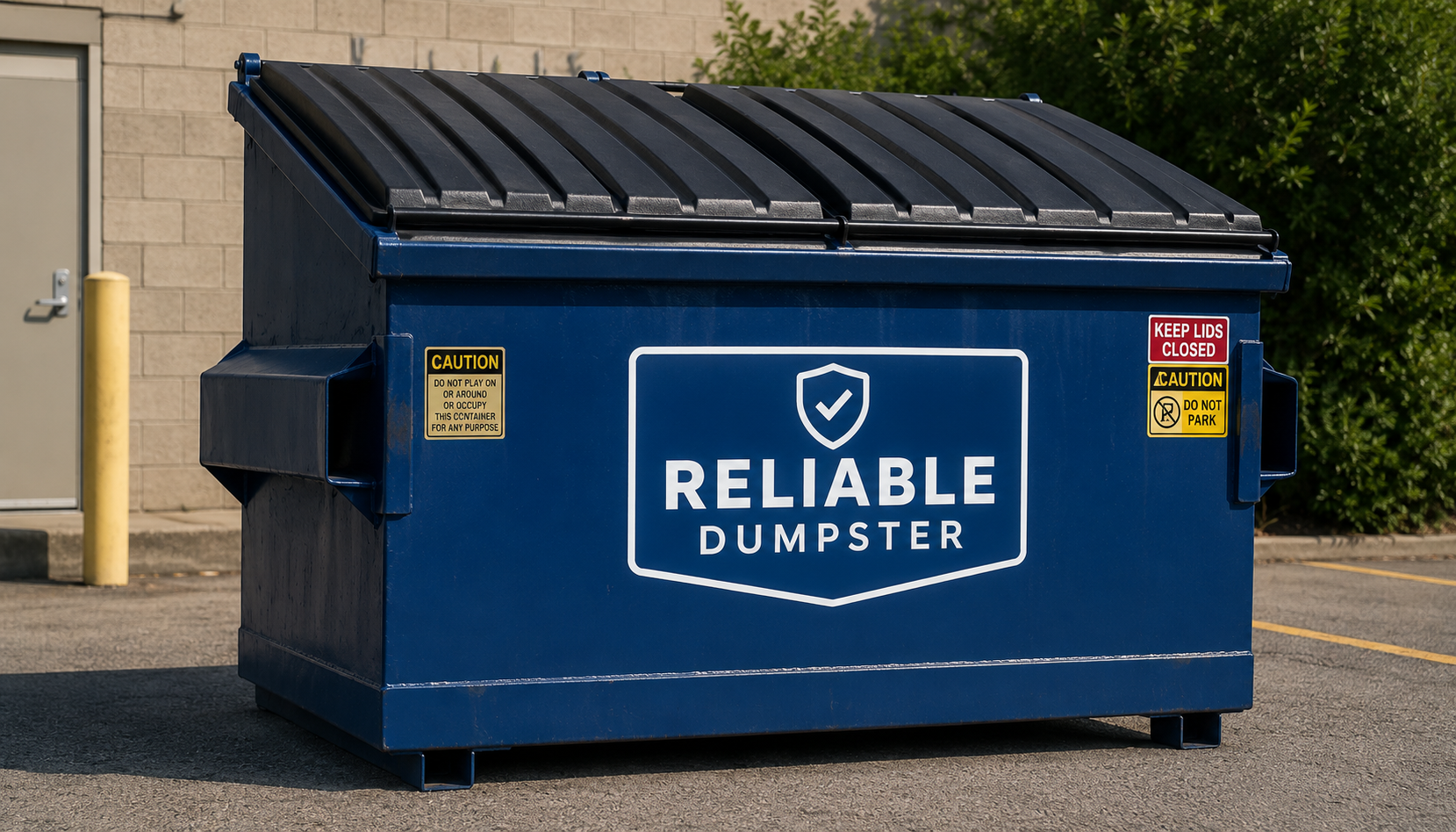
Dumpsters come in various sizes, usually measured in cubic yards. Common sizes include 10, 15, 20, 30, and 40 cubic yards. A 10-yard dumpster is good for small jobs like yard waste removal or a minor room cleanout. For larger renovations or significant debris, you might need a 20 or 30-yard container. A 40-yard dumpster is typically for major construction or demolition projects.
Here’s a general idea of what each size can hold:
- 10 Cubic Yards: About 50-70 standard trash bags. Good for small cleanups, yard debris.
- 20 Cubic Yards: About 110-130 standard trash bags. Suitable for medium-sized renovations, flooring removal.
- 30 Cubic Yards: About 170-190 standard trash bags. Best for large-scale renovations, whole-house cleanouts.
It’s always better to ask the rental company for their specific dimensions and capacity estimates. They can help you match the cubic yardage to your project’s needs.
Considering Weight Limits for Specific Materials
Beyond just volume, weight is a big factor, especially with certain materials. Heavy items like concrete, bricks, dirt, or roofing shingles can quickly exceed a dumpster’s weight limit, even in a smaller bin. Exceeding the weight limit can lead to extra fees or even refusal of pickup.
Always check with your dumpster rental provider about their weight restrictions. They can advise you on whether a specific dumpster is suitable for heavy materials or if you need a specialized bin. For instance, a dumpster designated for heavy debris might be smaller in cubic yardage but built to handle more weight.
Planning for the type of waste is just as important as estimating the volume. Heavy materials require careful consideration of weight limits to avoid unexpected charges and ensure a smooth rental experience.
Ensuring Transparent and Fair Pricing
Understanding Flat-Rate vs. Variable Pricing
When you’re looking at dumpster rentals, the price is a big deal. You want to know exactly what you’re paying for. Some companies use a flat-rate price. This means one set cost covers everything. It’s usually pretty straightforward. You agree to the price upfront, and that’s what you pay. This makes budgeting for your project much easier. Homeowners comparing flat-rate and variable pricing can consider reliable dumpster rentals from JW & Co, since the company promotes upfront pricing, flat-rate dumpster options, and delivery scheduling designed to keep projects moving.
Other companies might use variable pricing. This can be a bit trickier. The initial price might seem low, but the final bill could be higher. This often happens after they pick up the dumpster and weigh the contents. It’s important to know which pricing model a company uses. A reliable dumpster rental service will be clear about their pricing structure from the start.
Identifying All-Inclusive Fees
Beyond the basic rental cost, there are other fees to watch out for. A good dumpster rental company will include common charges in their main price. This typically covers delivery and pickup of the dumpster. It should also include a reasonable weight limit for the debris you’re throwing away. Make sure you ask what’s included.
Don’t assume everything is covered. Sometimes, there are extra charges for things like longer rental periods or if you exceed the weight limit. It’s best to get a full breakdown of what the price includes. This helps avoid surprises later on. Knowing all the fees upfront is key to fair pricing.
Avoiding Hidden Charges and Surcharges
Hidden charges are the worst. They can really mess up your project budget. These are fees that aren’t mentioned when you first book the dumpster. They might pop up on your final bill. Things like disposal fees, fuel surcharges, or even fees for certain types of materials can be hidden.
Always ask about potential extra costs. A trustworthy company will tell you about any possible surcharges. They should also be clear about what items are prohibited. Putting the wrong thing in the dumpster can lead to extra fees. Being informed helps you avoid these unwanted costs and makes the whole dumpster rental process smoother.
Navigating Rental Terms and Conditions
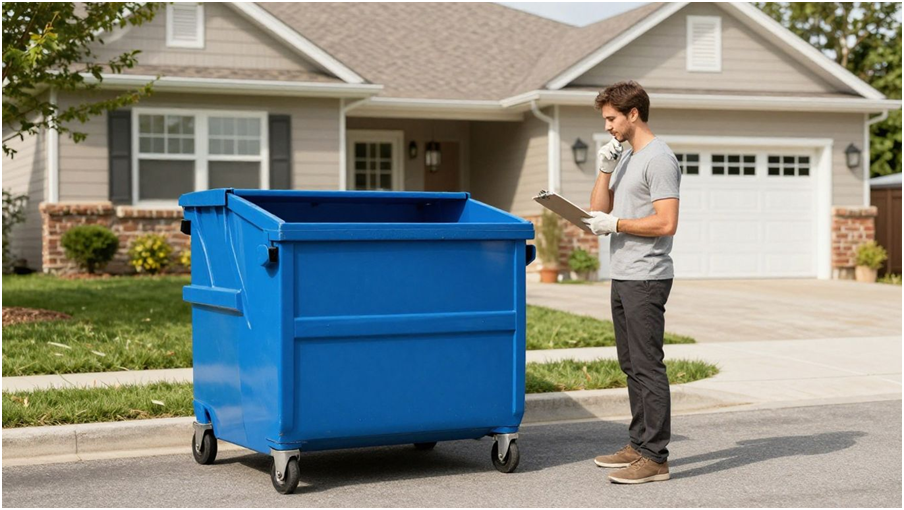
When you rent a dumpster, it’s not just about picking a size and having it dropped off. You’ve got to look at the fine print. Understanding the rental terms and conditions is key to a smooth project. It helps you avoid surprises and makes sure you’re getting what you paid for.
Clarifying Rental Period Flexibility
Home projects rarely stick to a strict schedule. Things come up, weather delays happen, or maybe you just finish faster than expected. It’s smart to find out how flexible the rental company is with their rental period. Can you extend it if needed? Or, if you finish early, can you schedule a pickup sooner? Some companies are pretty rigid, while others offer more wiggle room. Knowing this upfront can save you from paying for extra days you don’t need or feeling rushed.
Understanding Prohibited Items
Not everything can go into a dumpster. There are rules about what’s allowed and what’s not, often due to environmental regulations or safety concerns. Common prohibited items include hazardous waste, batteries, electronics, and sometimes even tires or appliances. A good dumpster rental company will clearly list these prohibited items. Make sure you get this list before you start filling the bin. Putting the wrong thing in can lead to extra fees or problems with disposal.
Reviewing Service Agreements Before Booking
Before you sign anything or agree to a rental, take a close look at the service agreement. This document outlines everything: the rental duration, what’s included in the price, any potential extra charges, and the rules for prohibited items. It’s your contract. Read it carefully to make sure you understand all the terms. If anything is unclear, ask questions. A reputable company will be happy to explain their service agreement. This step is vital for a good dumpster rental experience.
Maximizing Your Dumpster Rental Experience
Tips for Efficient Loading and Organization
Getting the most out of your dumpster rental means loading it smartly. Break down large items like furniture or drywall before tossing them in. This saves space and makes it easier to fit more in. Think about stacking items efficiently, similar to packing a car for a trip.
Distribute the weight evenly. Put heavier materials at the bottom of the dumpster. This helps prevent tipping when the dumpster is picked up. Keep prohibited items out, too. Check with your rental company about what they won’t take. This avoids extra fees or delays.
Consider organizing your debris as you go. Keep different types of waste separate if possible. This can sometimes help with disposal costs. A well-organized dumpster makes the whole process smoother. It’s about working smarter, not harder, with your dumpster rental.
Planning for Pickup and Delivery Schedules
Timing is everything when it comes to dumpster delivery and pickup. Talk to your rental company about their schedule. Make sure the delivery time works with your project start. You don’t want the dumpster sitting around longer than needed, costing you extra.
Plan for pickup when your project is almost done or the dumpster is full. Some companies offer flexible scheduling. If you finish early, ask about an earlier pickup. If your project runs long, see if you can extend the rental period. Good communication with the dumpster rental service is key here.
Think about where you want the dumpster placed. Make sure it’s accessible for the truck. It shouldn’t block driveways or walkways. A clear path makes both delivery and pickup much easier. This planning helps your dumpster rental go off without a hitch.
Choosing Reliable Dumpster Rentals from JW & Co
When it comes to selecting a dumpster rental service, reliability matters. JW & Co aims to provide a straightforward and dependable experience for all your home projects. They focus on clear communication and timely service.
JW & Co understands that every project is different. They work with customers to find the right dumpster size and type for their specific needs. This attention to detail helps avoid common issues like overfilling or needing extra pickups.
Choosing a company like JW & Co means you can focus on your project. They handle the waste removal aspect efficiently. Their goal is to make the dumpster rental process as easy as possible for you.
Wrapping Up Your Dumpster Rental Choice
So, picking the right dumpster for your home project might seem like a lot, but it’s really about asking the right questions. Think about what you’re getting rid of, how much of it there is, and how long you’ll need the bin. Checking out a company’s customer service, their pricing (make sure it’s clear!), and if they have different sizes available will go a long way. Getting this sorted out beforehand means your project cleanup will be way smoother, and you can focus on getting the actual work done without worrying about a pile of junk taking over your yard.