Decorating walls seems straightforward until you face the actual choice. Traditional paint offers solid colors but no character. Wallpaper brings patterns but limits you to what manufacturers decided to produce. Photo murals promise custom images but come with visible seams and installation headaches. A wall printer enters this landscape as a technology that sidesteps the compromises built into every traditional method. Understanding how each option performs across key criteria helps make a decision that will satisfy for years rather than months.
Customization Possibilities
Wallpaper catalogs contain hundreds of patterns, yet none matches the exact vision in your head. Photo murals expand options to any image you can find, but popular choices appear in thousands of other interiors. True uniqueness remains out of reach.
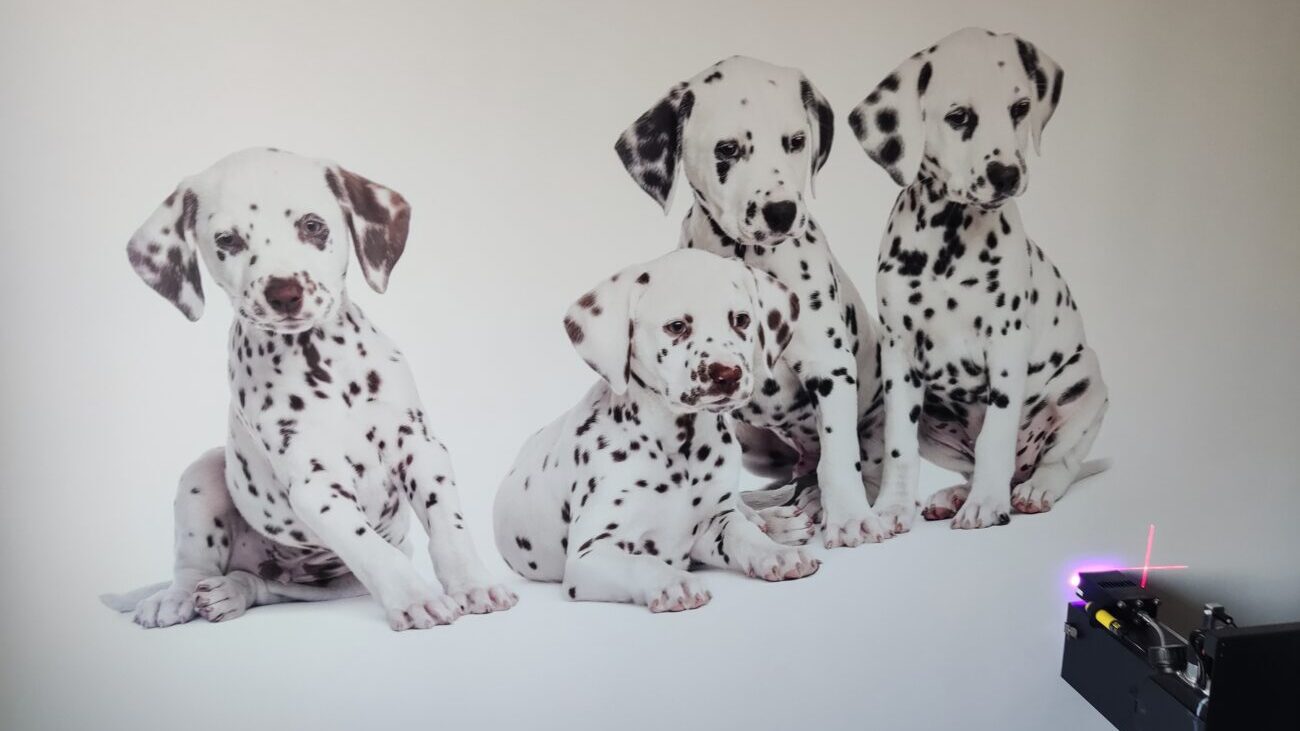
A wall printer transfers any digital file directly onto the surface. Your own photograph from a memorable trip, a custom design created by a graphic artist, a company logo scaled to cover an entire reception wall — each becomes possible without minimum order quantities or catalog limitations. Personalization shifts from selecting the least bad option to creating exactly what the space deserves.
Installation Process and Time
Wallpaper demands precision at every step. Measuring, cutting, applying adhesive, aligning strips, smoothing bubbles, trimming edges — each phase introduces opportunities for error. Professional installation takes days for larger spaces, and DIY attempts often end in frustration and wasted material.
Photo murals add complexity through their size. Handling large panels without creasing requires multiple people and careful coordination. Alignment between sections must be perfect, or the image looks broken.
Wall printer installation follows a different logic entirely. The operator mounts guide rails, calibrates the machine to the specific surface, and starts the process. The device works autonomously, completing most residential projects within a single day. No strips to align, no seams to hide, no bubbles to chase across the surface.
Durability and Maintenance
Traditional wallpaper varies widely in durability depending on material and quality. Cheaper options show wear after several years, while premium vinyl versions last longer but demand careful handling. All wallpaper shares vulnerability to moisture, making bathroom or kitchen installation risky.
Photo murals printed on paper or vinyl face similar limitations. Edges peel over time, especially in high-traffic areas. Cleaning requires caution to avoid damaging the printed surface.
UV-cured ink from a wall printer creates a coating resistant to abrasion, moisture, and sunlight. Properly executed prints maintain color intensity for years without fading or yellowing. Cleaning requires no special products or techniques — standard wall maintenance practices apply.
Appearance Quality
Wallpaper patterns repeat at fixed intervals, creating visible repetition that trained eyes notice immediately. Photo murals stretch images across large surfaces, sometimes revealing pixelation or color banding invisible in the original file.
Key differences in visual quality across methods:
- Wall printer achieves resolution up to 2880 dpi, capturing photographic detail invisible in other methods
- No seams or joints interrupt the visual flow across any surface size
- Gradients and tonal transitions reproduce faithfully without banding artifacts
- Colors match the digital original through calibrated printing profiles
- Textured surfaces receive ink without distortion thanks to ultrasonic distance sensors
- White ink enables vibrant prints on dark substrates where other methods fail
Suitability for Different Surfaces
Wallpaper requires smooth, properly prepared walls. Textured surfaces, exposed brick, or concrete demand extensive preparation or remain unsuitable entirely. Each imperfection telegraphs through the applied material.
Photo murals share these limitations and add sensitivity to curved surfaces. Wrapping around corners or covering non-flat areas introduces stretching and distortion.
A wall printer equipped with ultrasonic sensors adjusts head distance in real time, accommodating surface irregularities up to ten centimeters. Plaster, concrete, brick, drywall, wood, glass, and metal all accept UV ink with appropriate preparation. Surfaces that exclude wallpaper entirely become candidates for printing.
Modification and Removal
Changing wallpaper means steaming, scraping, repairing damaged substrate, and starting fresh. The process generates mess, consumes time, and often reveals surprises hidden beneath the old covering.
Photo mural removal follows similar patterns with added difficulty from adhesives designed for permanent bonding.
Printed walls update through a simpler path. Painting over the existing print with standard wall paint prepares the surface for a new design. The next print applies directly over the painted base. Refreshing a space takes days rather than the weeks required for wallpaper replacement.
Environmental Considerations
Wallpaper production consumes resources in manufacturing, generates waste in trimming, and creates disposal challenges at end of life. Vinyl variants resist biodegradation indefinitely.
Wall printing eliminates physical product manufacturing for each installation. Ink consumption scales precisely to coverage area with minimal waste. No packaging, no shipping of heavy rolls, no offcuts heading to landfill. The wall printers⁺ team emphasizes sustainability as one of the technology’s overlooked advantages.
Long-Term Value
Wallpaper and photo murals require complete replacement when styles change or materials degrade. Each cycle repeats the full investment of materials, labor, and time.
Wall printing enables iterative updates at a fraction of the effort. A business refreshing its interior for a rebrand or a homeowner tired of the current design faces a simpler path forward. The technology pays dividends across multiple decoration cycles rather than demanding fresh investment each time.
Summary
A wall printer outperforms wallpaper and photo murals across customization, durability, installation speed, and surface compatibility. UV-cured ink creates results impossible through traditional methods while simplifying future updates. The technology eliminates seams, expands substrate options, and reduces environmental impact compared to disposable alternatives. Personalization without catalog limitations becomes accessible to anyone willing to move beyond last-century methods. Explore whether your next wall project deserves a solution built for this decade.