
Mothers find breast pumping simpler and more pleasant with correct methods, pump settings, and routines. Due to inappropriate flange sizes or poor pumping, many mums endure pain, nipple irritation, or diminished milk flow. Modern breast pumps include massage modes, adjustable suction, and portable versions for easier everyday pumping. However, posture, cleanliness, and pumping frequency affect comfort. For best outcomes, mothers should optimise pump settings, maintain cleanliness, and organise pumping practices. Practical breast pump use techniques boost comfort, decrease stress, promote milk expression, and simplify daily nursing activities.
What Can You Do to Make Breast Pumping More Comfortable?
Choose the Correct Flange Size and Pump Settings
The right flange size greatly impacts breastfeeding comfort and milk expression. Small flanges might create friction, nipple soreness, or obstructed milk flow, while large ones can limit suction and pumping. A flange size that permits easy movement without friction or pressure when pumping is best for mothers. Strong suction may produce discomfort or irritation instead of improving milk production; adjustable suction settings promote comfort. Massage or stimulation settings on many breast pumps stimulate natural milk flow before expressing. Smooth pumping and reduced nursing pain are achieved with proper flange fitting and suction settings.
Improve Pumping Position, Relaxation, and Milk Flow
Comfortable stance reduces muscular stress and boosts milk flow when pumping. To minimise shoulder, neck, and arm pain during pumping, mothers should sit comfortably with back support. Leaning slightly forward may promote milk collection and lessen breast tissue pressure. Relaxation is vital since stress and tension impede milk release and make pumping uncomfortable. Listening to soothing music, deep breathing, or seeing baby images may naturally increase milk flow. Staying hydrated and pumping regularly boost milk production. Comfortable posture and relaxation strategies boost pumping efficiency and make nursing easier.
Prevent Nipple Pain, Irritation, and Discomfort
Excessive suction power, improper flange size, or prolonged pumping sessions without adequate correction are common causes of nipple discomfort and irritation. Stronger suction does not necessarily increase milk production; mothers should refrain from utilising maximal suction levels if pain arises. Regular use of nipple creams or safe moisturising products after pumping may help lessen skin irritation and dryness. During prolonged pumping sessions, taking brief pauses may help lower pressure and enhance comfort. Because residue accumulation might eventually enhance friction or skin discomfort, clean pump parts are crucial. Mothers should keep an eye out for any indications of redness, swelling, or ongoing discomfort and change the settings as needed. Consistently using a pump correctly promotes healthy nursing practices and lessens pain.
How Can You Improve Daily Breast Pumping Efficiency?
Create a Consistent Pumping Schedule
Pumping on a regular schedule stabilises milk supply and boosts efficiency while nursing. Regular daily pumping helps the body adjust to typical milk expression patterns. During early breastfeeding or while managing work schedules, many mums benefit from pumping every several hours. Frequent missed sessions may diminish milk production or cause breast heaviness. Mobile app or alarm reminders might assist in maintaining habits on hectic days. Organised pumping schedules simplify milk storage planning and feeding preparation stress. Pumping regularly boosts milk supply, comfort, and breastfeeding management.
Clean and Maintain Breast Pump Parts Properly
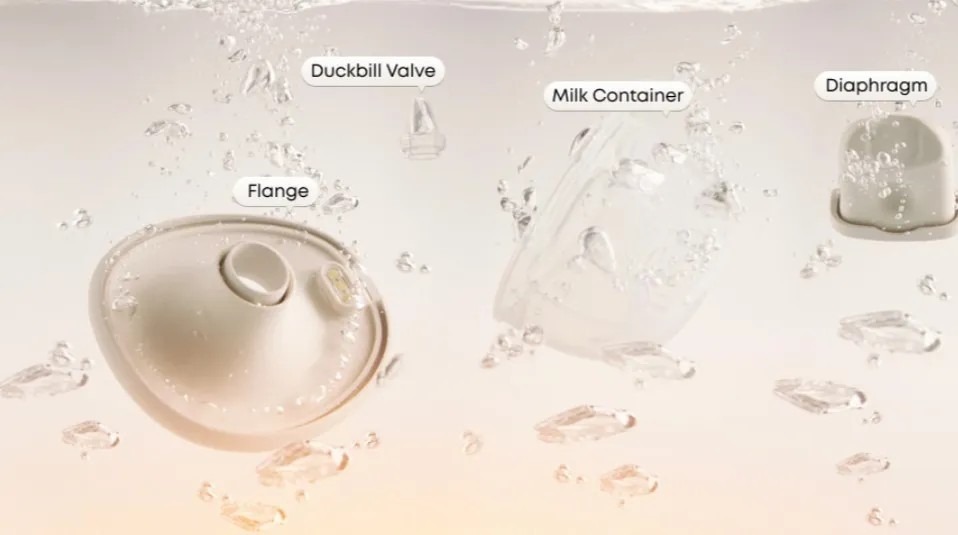
Proper cleaning and maintenance help breast pumps operate safely, efficiently, and comfortably throughout daily use. After pumping, mothers should wash bottles, flanges, valves, and milk collecting pieces to minimise bacteria accumulation and preserve cleanliness. Handwashing pump parts with warm water and mild soap is recommended; many are dishwasher safe. Allowing parts to dry fully before storing reduces contamination. Valve, tubing, and connection inspection is necessary because worn or broken parts may limit suction and pumping efficiency. Replacing worn components improves milk expression and breastfeeding safety. Proper breast pump maintenance improves comfort, dependability, and longevity.
Store Breast Milk Safely and Organise Pumping Supplies
Safe breast milk preservation maintains quality and simplifies feeding for mums and newborns. Breast milk should be stored in clean containers or bags designated for preservation. Labelling containers with pumping dates aids freshness and feeding safety. Preventing spoiling requires optimal refrigerator and freezer temperatures. Keeping bottles, flanges, wipes, and storage bags organised makes pumping easier and saves time on hectic days. Portable storage bags or pumping stations may assist mums to organise supplies at home or work. Better organisation simplifies everyday nursing and facilitates safer milk handling.
Conclusion
Pump settings, flange size, routines, and equipment maintenance determine breast pumping comfort. Suction levels, calm posture, and daily pumping patterns might help mothers feel more comfortable. Healthy breastfeeding and pumping performance are also improved by clean pump parts and safe milk storage. Practical pumping practices boost milk flow, minimise nipple discomfort, and simplify feeding preparation. Mothers may nurse more comfortably and efficiently by learning breast pump use strategies. Better pumping comfort and organisation enhance long-term breastfeeding objectives and help mums handle daily childcare habits more easily and confidently.
READ ALSO: Why People Are Re-Evaluating What “Healthy Living” Really Means